From Club Visuals to Music Visuals, the transition felt almost natural. Yet designing an album cover or a music video carries a different kind of weight, one built on expectations, trust, and more responsibility. I have been fortunate to receive that trust and the opportunity to collaborate with remarkable sound artists. While I can only imagine the immense time and devotion they invest in creating their sonic treasures, my role has always been to contribute visual elements that honor their process -shaping images that allow each work to tell its story in its own unique way.
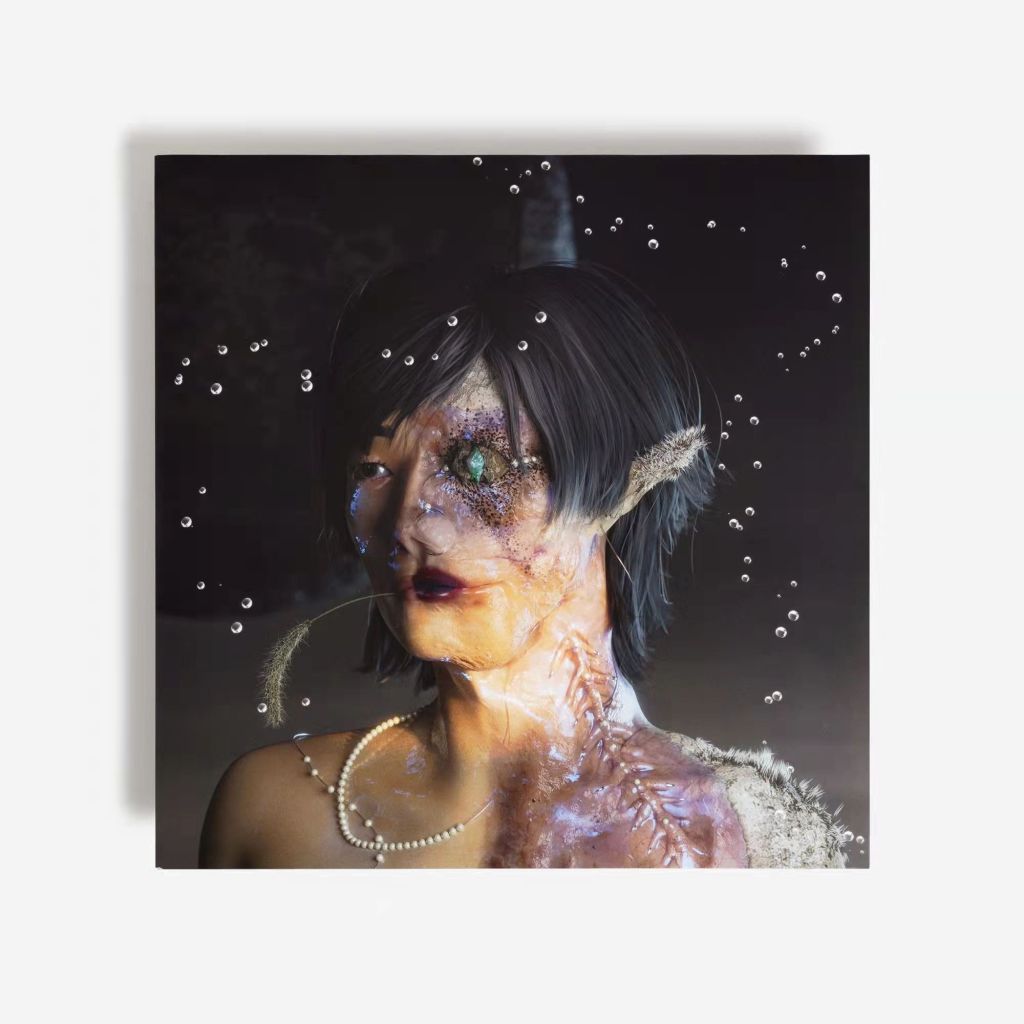
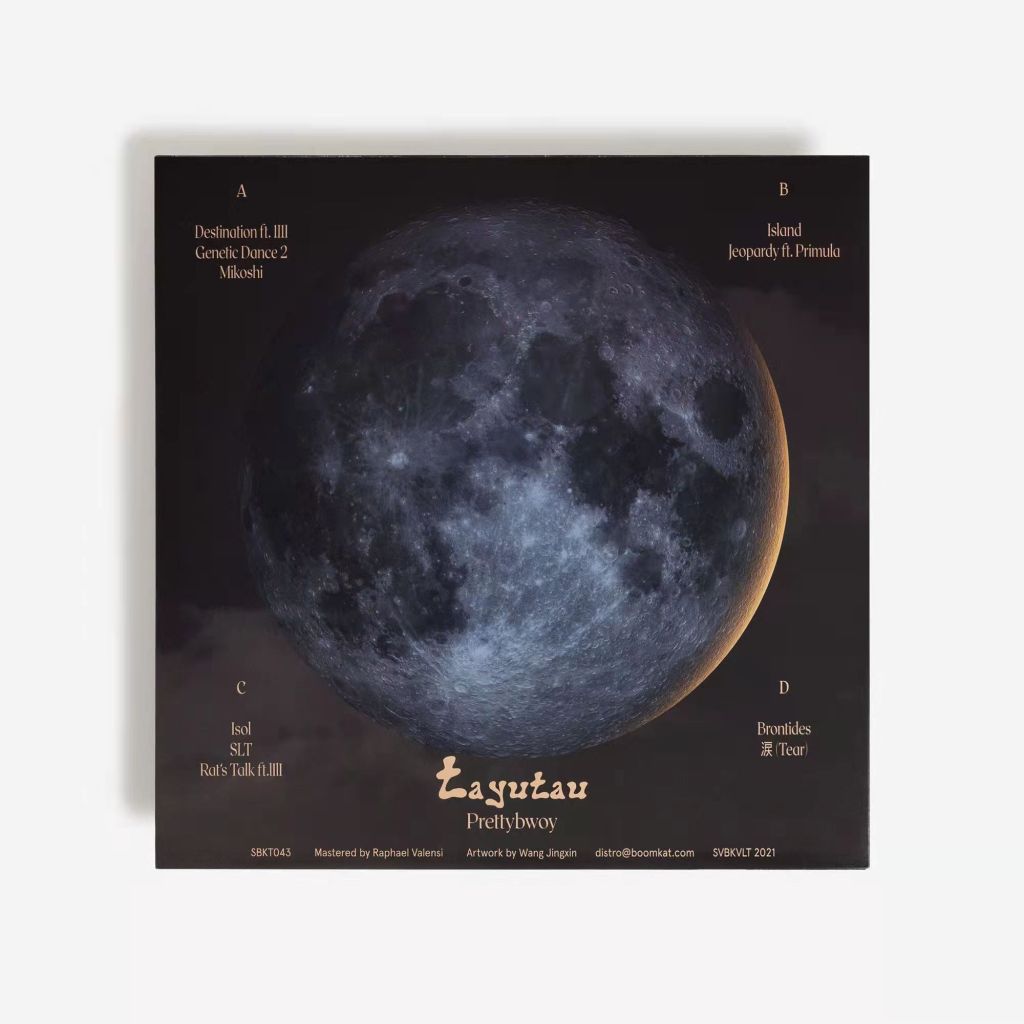
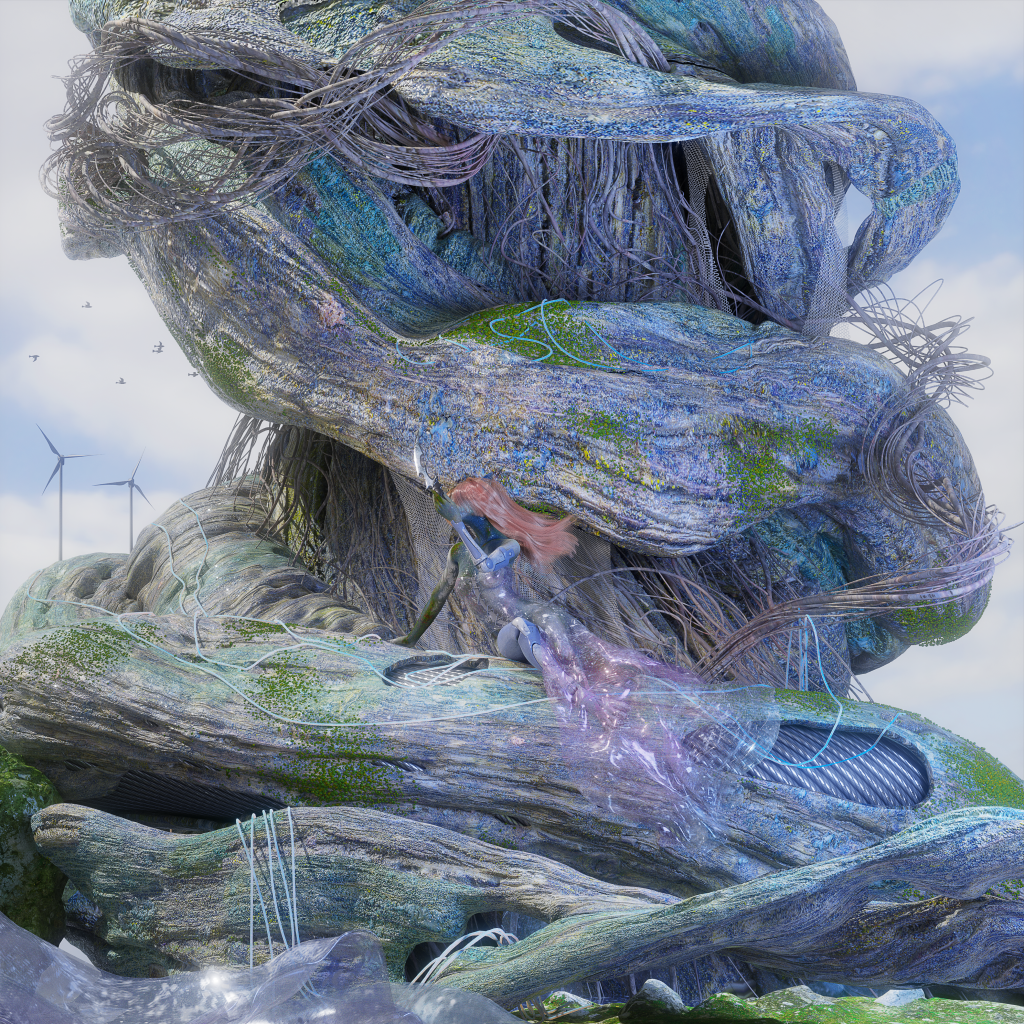
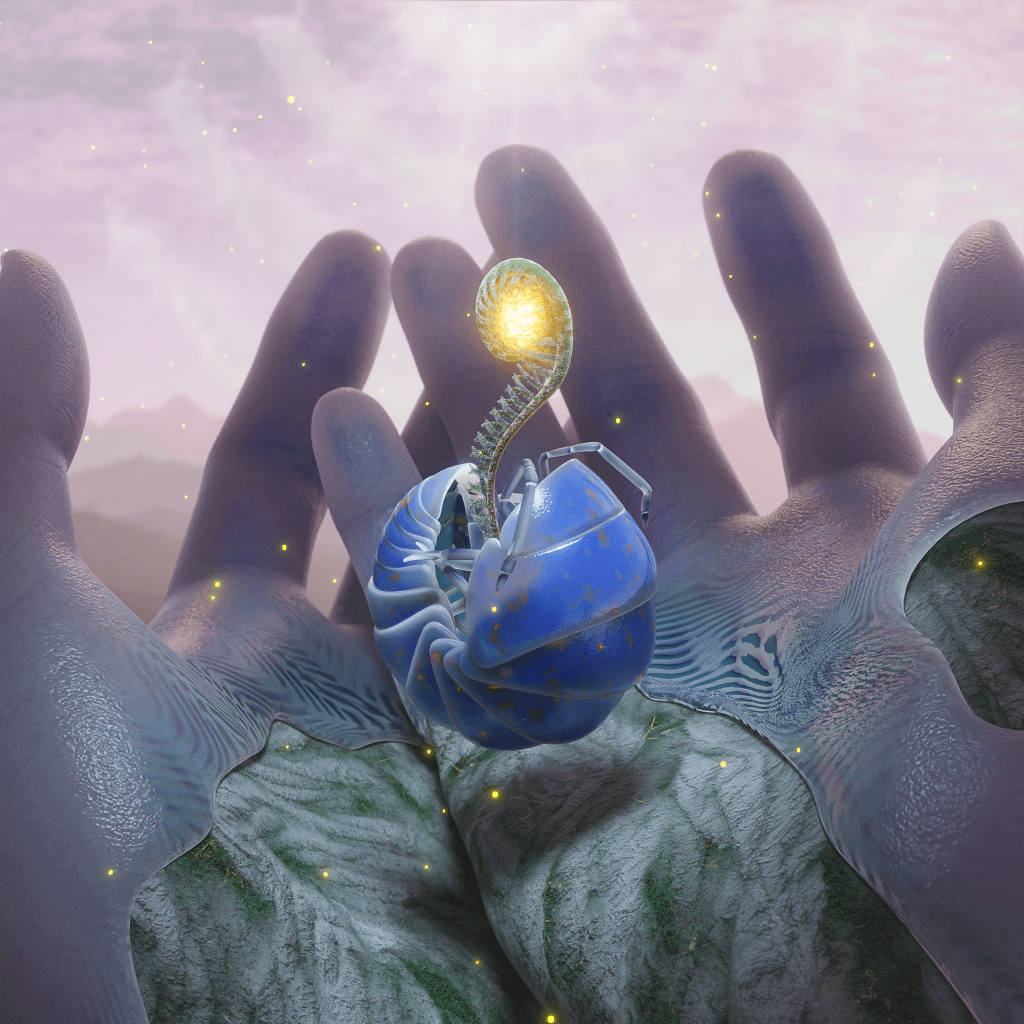
Tokyo-based producer Prettybwoy has been part of the SVBKVLT family since 2016, and when he released his debut album Tayutau, I was honored to create the album visuals for it.
The title, Tayutau, comes from an ancient Japanese word “揺蕩う”meaning “to waver”, a state of drifting between action and inaction, caught in indecision and uncertainty. This sense of instability resonated deeply with Prettybwoy’s own reflections on stress and transformation during the album’s creation. My task was to translate that fragile yet restless energy into a visual language that could mirror the shifting moods and emotional currents embedded in his music.
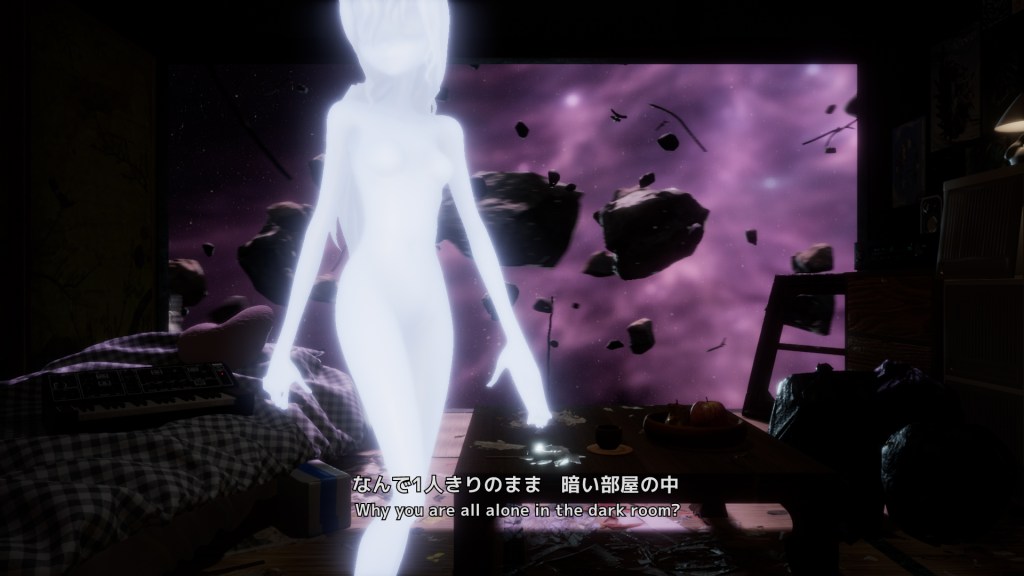

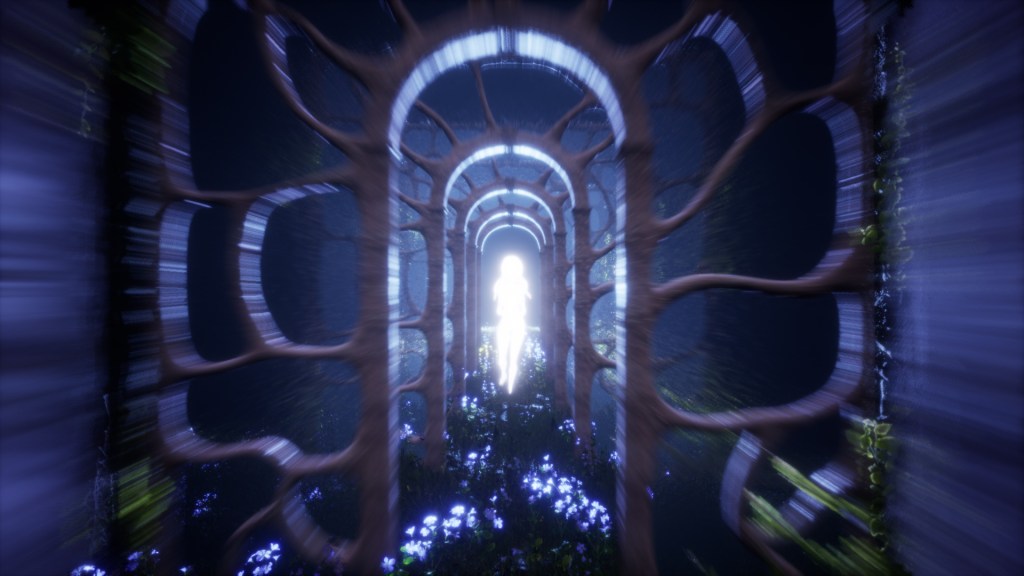
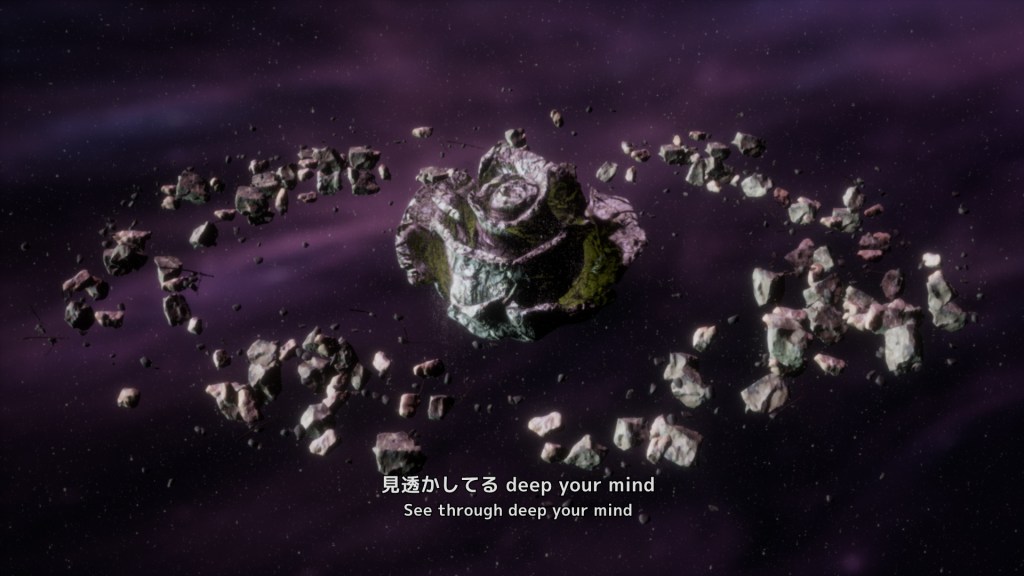
Jingxin Wang’s eerie visual takes Prettybwoy’s search for identity and transforms it into a surreal sci-fi, as a mysterious avatar glitches through a desolate environment of levitating cow bones, lonely asteroid belts and infinitely reproducing gates, all of which center around a digital reproduction of a disheveled bedroom.
by Henry Bruce-Jones ,FACT Magazine
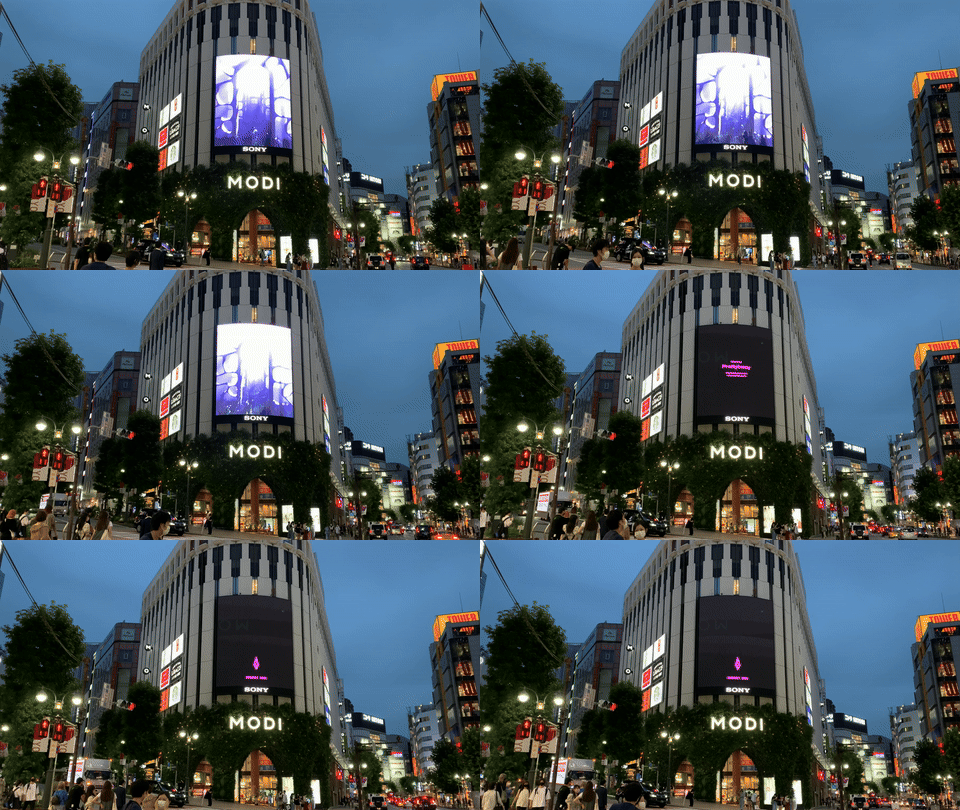
Yen Tech (aka Nick Newlin) is a Korean-American rapper, singer, and producer. His second full-length album under SVBKVLT, Assembler, is a multi-layered and visionary work that intertwines futuristic production, meta–science fiction, and anthropic critique into a dizzying sonic landscape. I was commissioned to create the music video for the track Extinction Game, translating this dense and maze-like vision into a visual narrative.
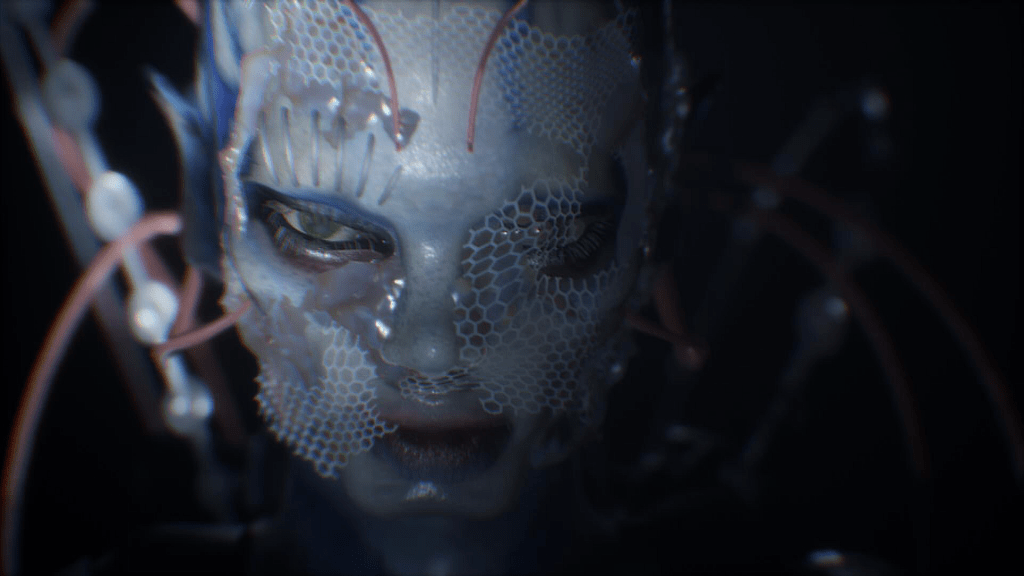
For Extinction Game, I created four post-human avatars that embody the tension between technology and ontology, figures caught between the roles of predator and prey. Through CGI, I wanted to stage a world where the bravado of the archetypal sci-fi hero collapses into something fragile and absurd: characters overloaded with gear, flexing for no one, weighed down by their own technological excess. The result is a nihilistic yet strangely human portrait of instability, where strength reveals its own weakness.
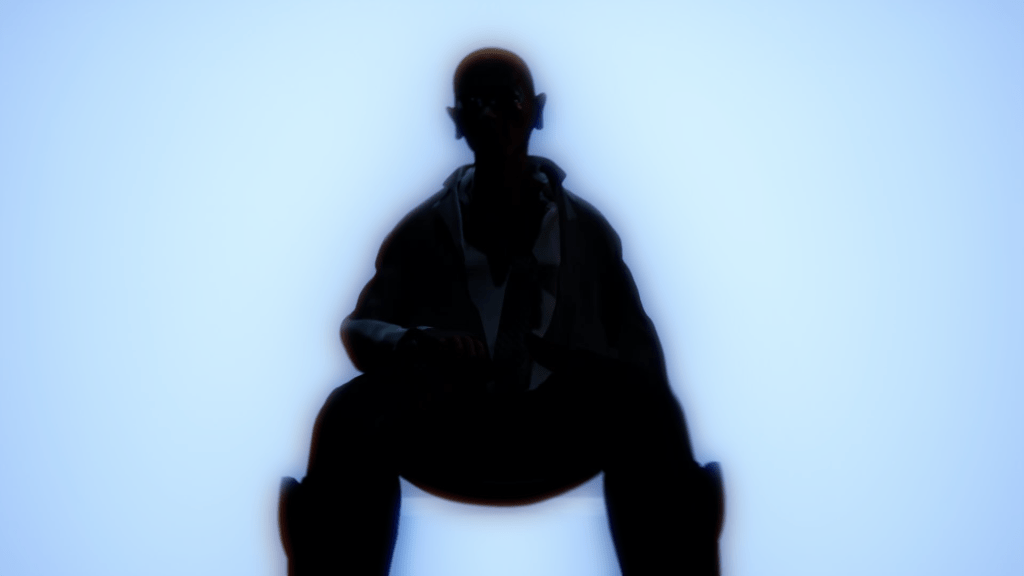

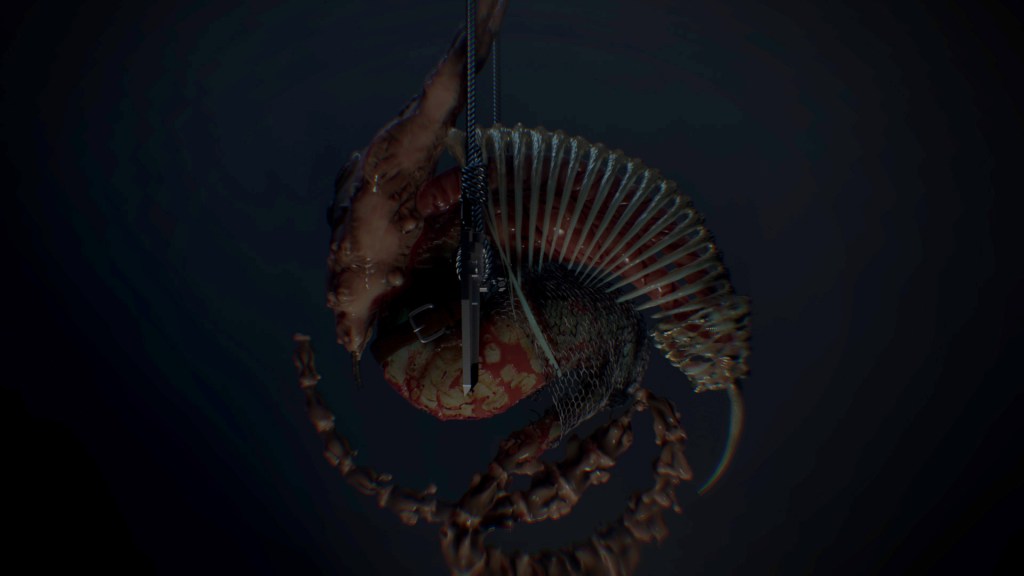
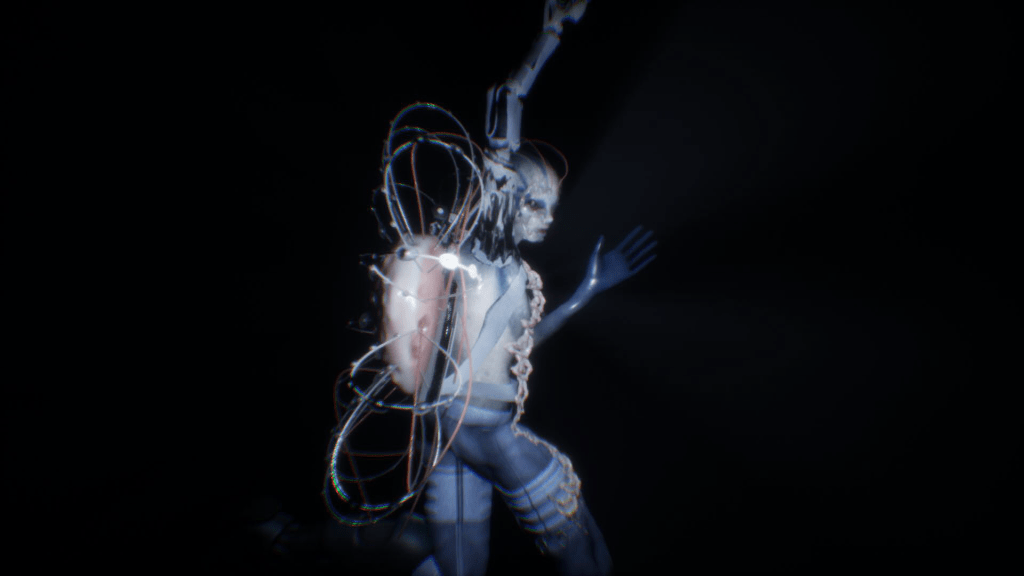
Jingxin Wang brings four post-human avatars to life in order to illustrate this rupture of the ontological by the technological, each of which blur the lines between video game archetypes of ‘prey’ and ‘hunter’ in a confounding barrage of nihilist world-building.
by Henry Bruce-Jones ,FACT Magazine
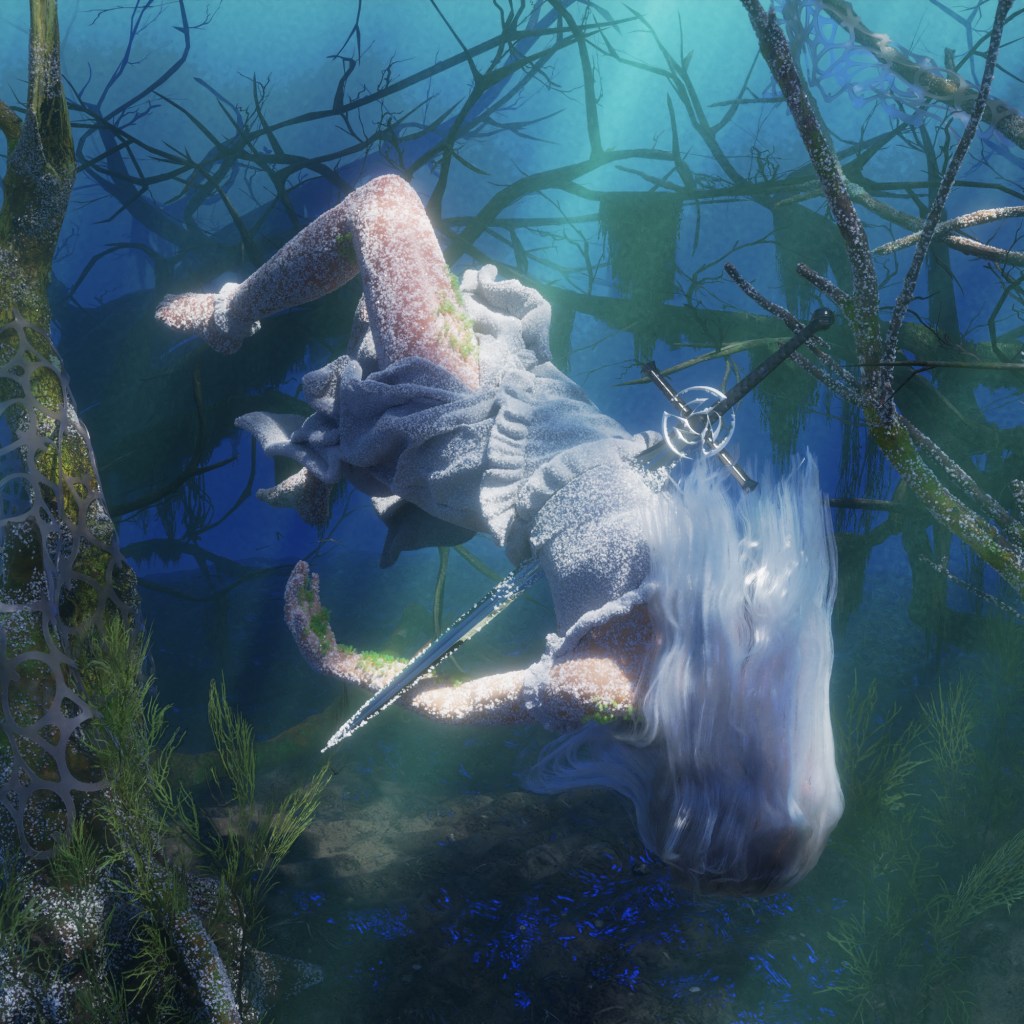
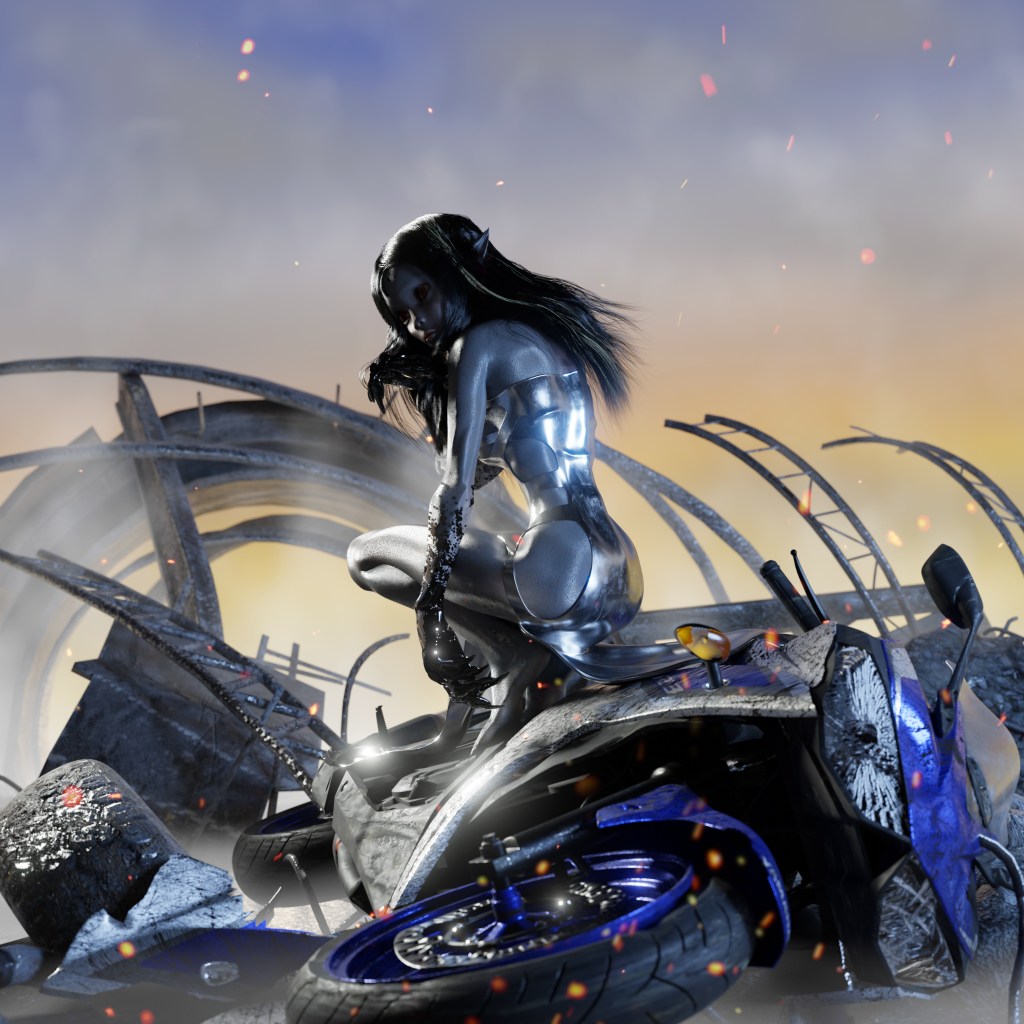
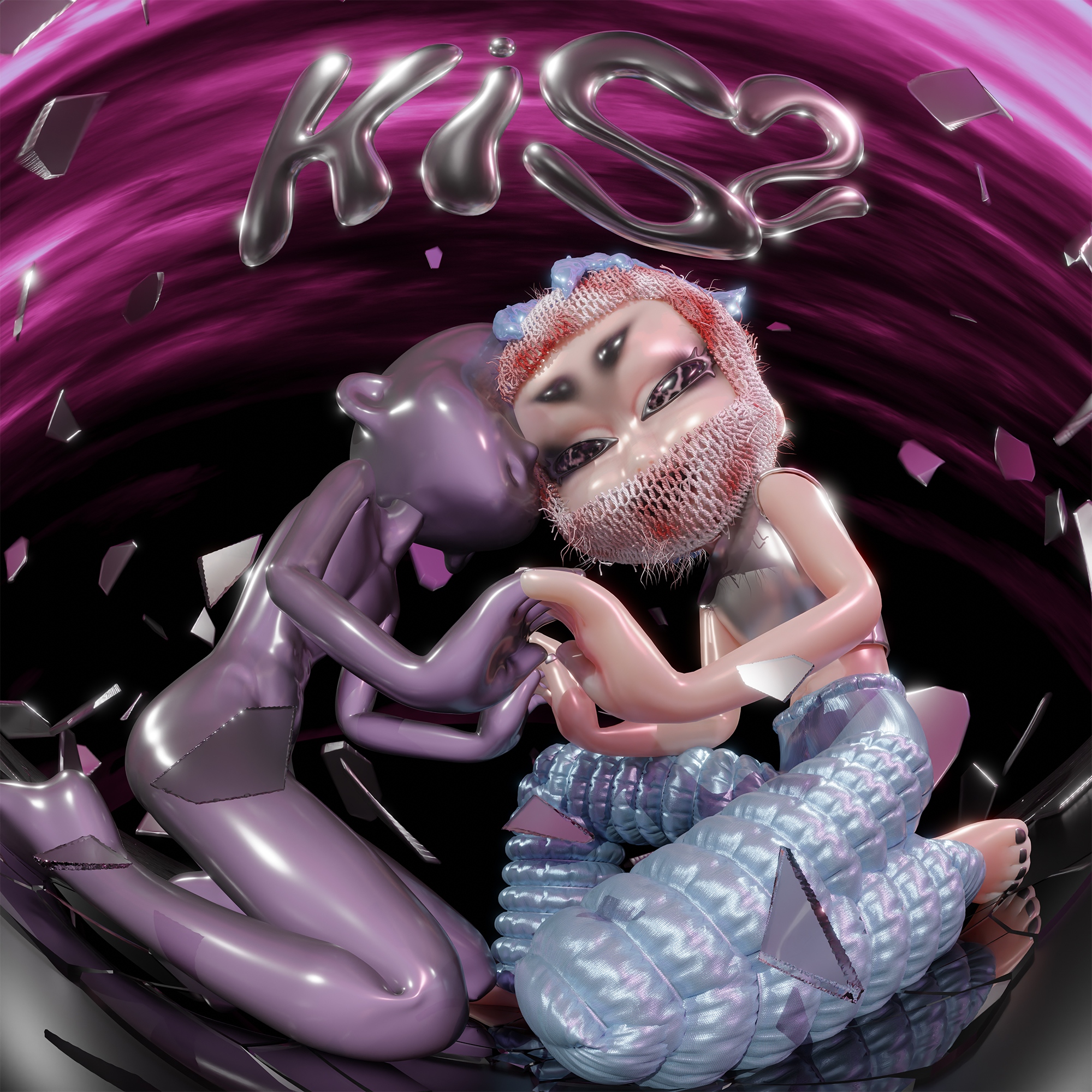
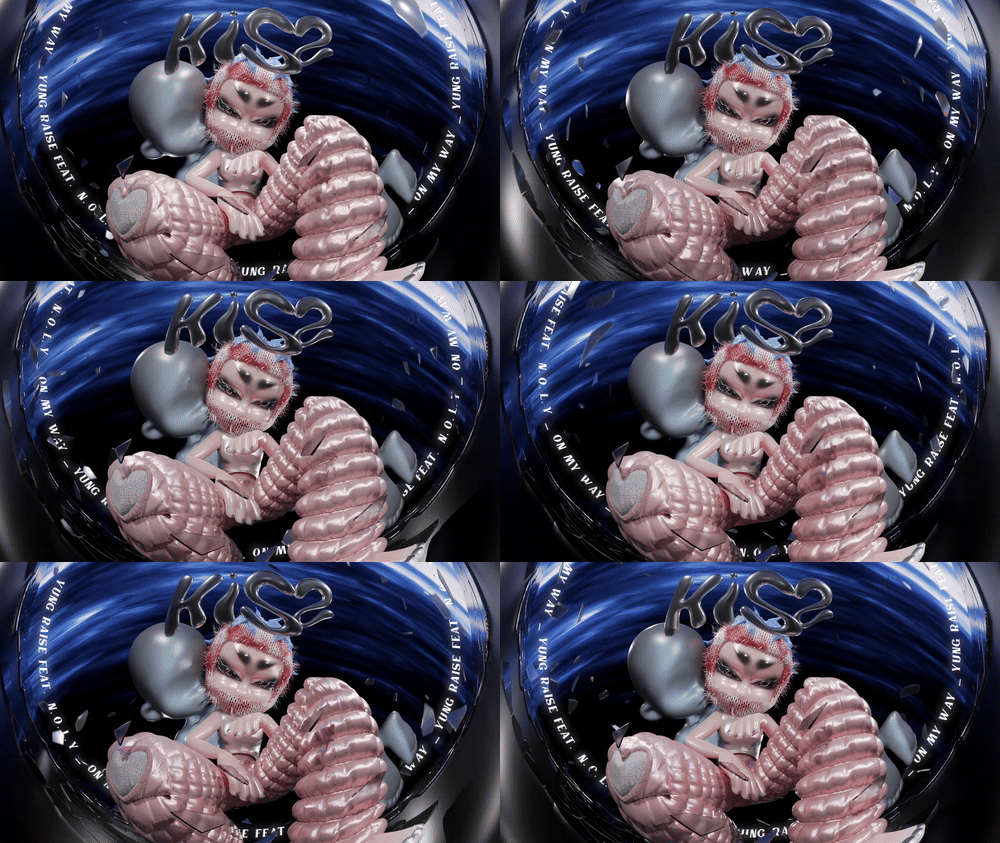
Beyond my collaborations with SVBKVLT, I have also worked with artists and labels across a wide spectrum of music scenes, including daine, Ninajirachi, and 88rising, among others. These projects allowed me to step outside the underground club context and engage with more diverse sounds and audiences, ranging from hyperpop to experimental rap to global pop crossovers. Each collaboration became an opportunity to test how my visual language could adapt, translate, and amplify music from different cultural and aesthetic backgrounds, while still carrying the intensity and energy I first developed within club culture.



 Wang Jingxin