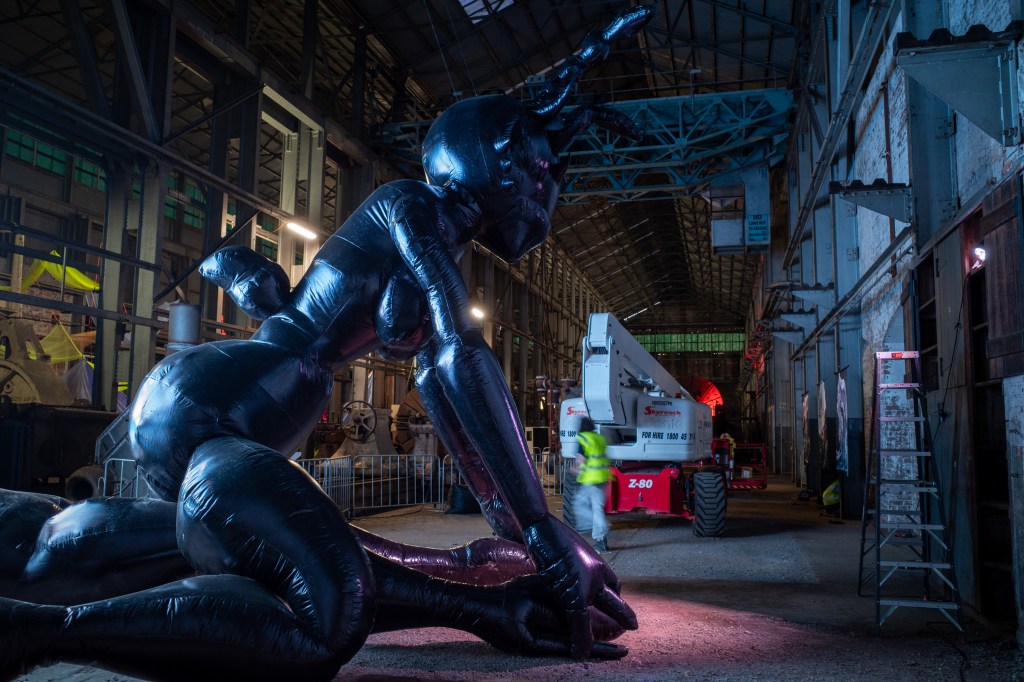
“The multi-modal tableau ‘GRIT’ is an artwork summoned by artists Wang Jingxin and Kynan Puru Watt. Pneumatic insect-like forms emerge from a luminescent LED portal, as if from a subterranean realm. These figures, redolent of dream-like shadows may be interpreted as symbols for adaptability, or societal outcasts, presenting a contrast to traditional ‘masculine’ toughness. It offers a meditation on the complexities of gender roles, strength and survival.
The artwork was presented on Cocktoo Island, Australia. As part of Mode Festival 2023 curated by 4A Centre for Contemporary Asian Art.”
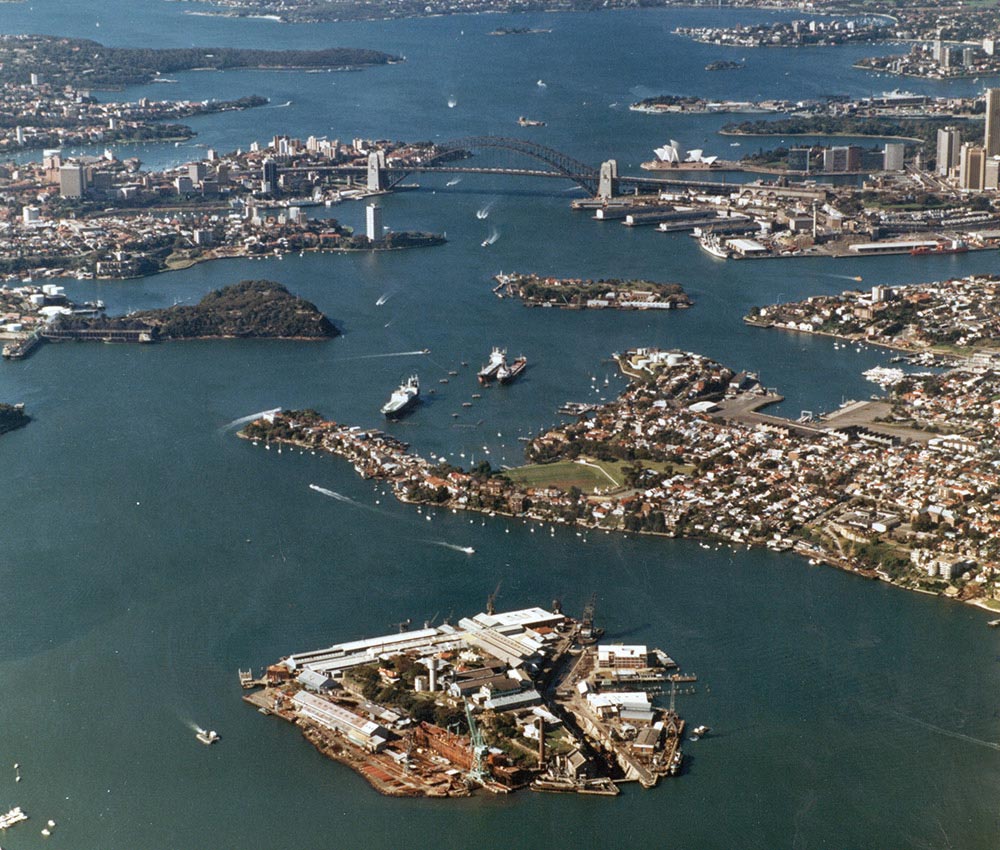
Cockatoo Island is the largest Island in Sydney Harbour and is located at the junction of the Parramatta and Lane Cove Rivers, about 3.7 km west of the Sydney Harbour Bridge. It has a unique place in the history of Australia, starting with early European occupation as a penal settlement then operating as a shipbuilding, ship repair and general engineering establishment for 134 years.
https://navyhistory.au/naval-heritage-sites/cockatoo-island/
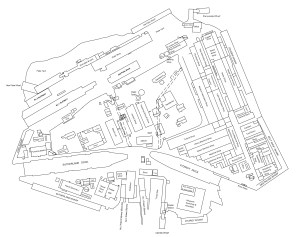
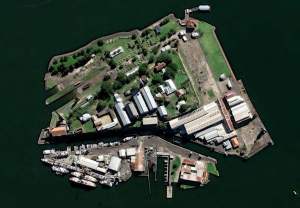
Before the artwork took shape, Kynan and I visited Cockatoo Island, where the raw industrial atmosphere and layered history struck us deeply. We documented the space through photographs and measurements, carrying those impressions into the early conversations that shaped the installation.
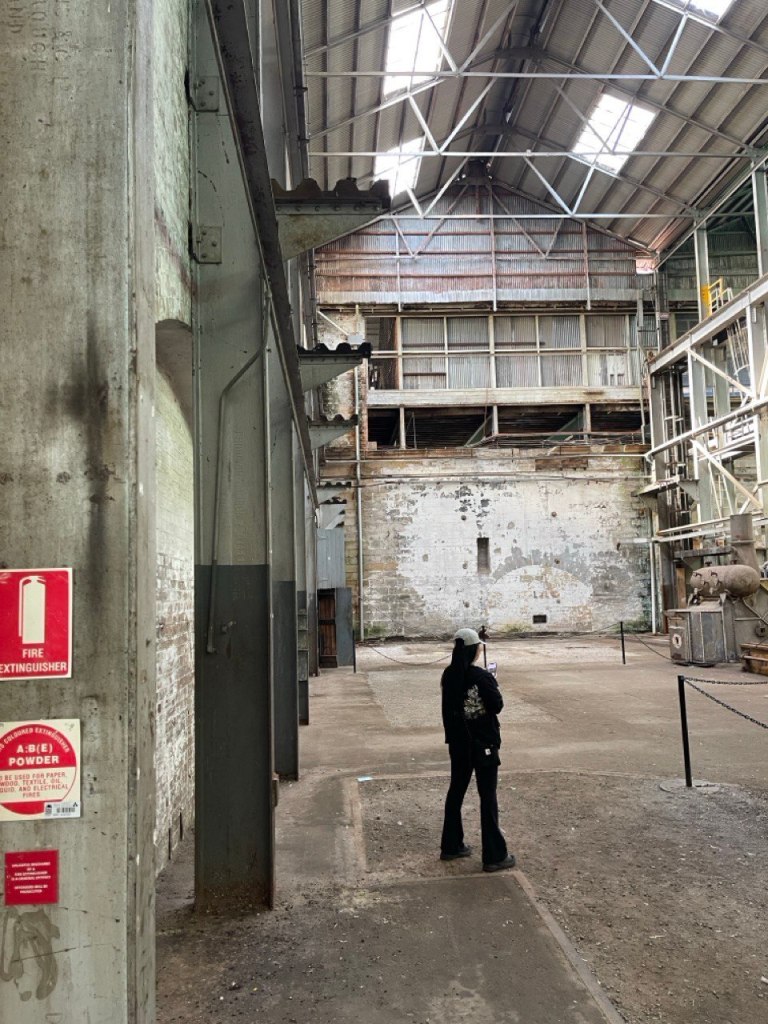
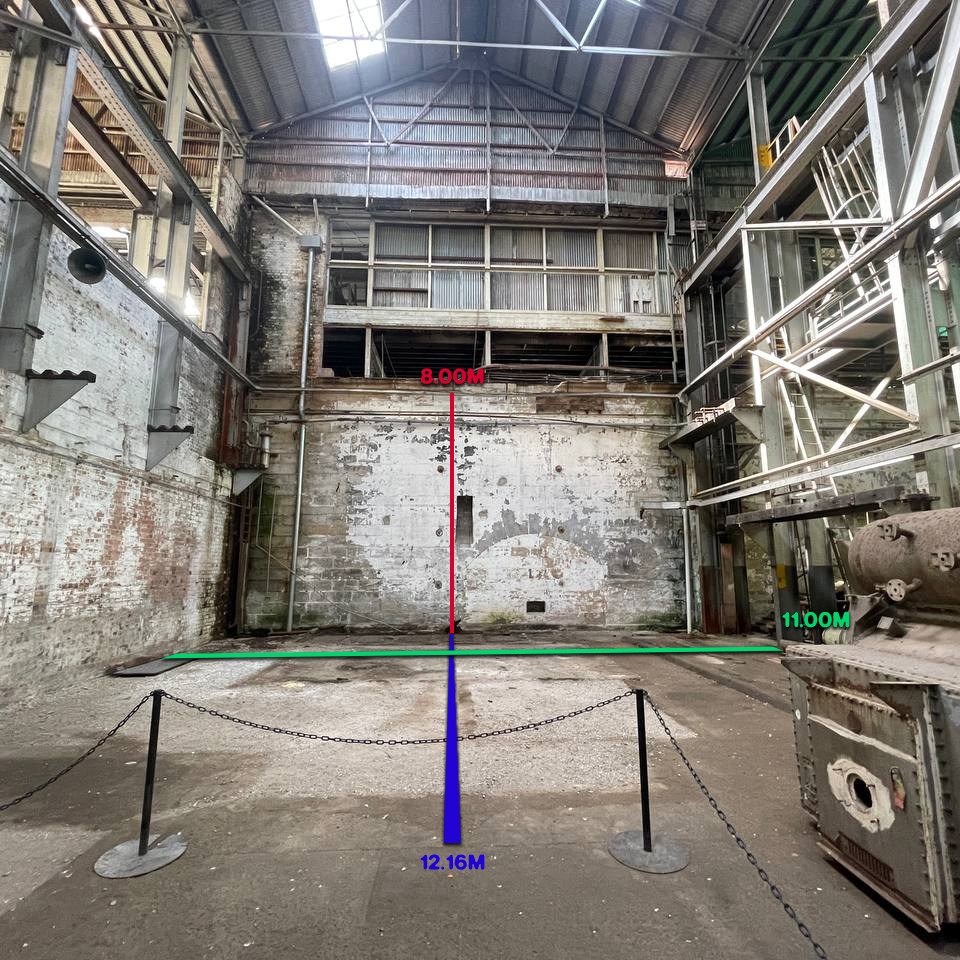
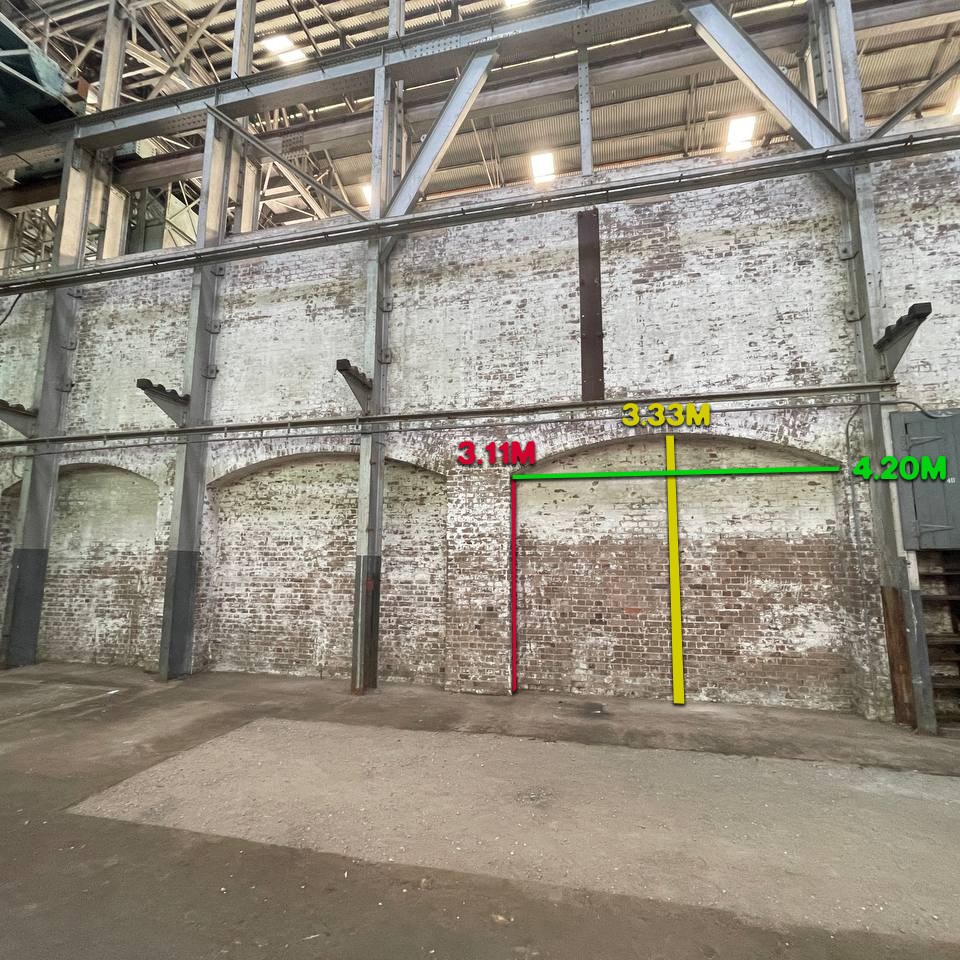
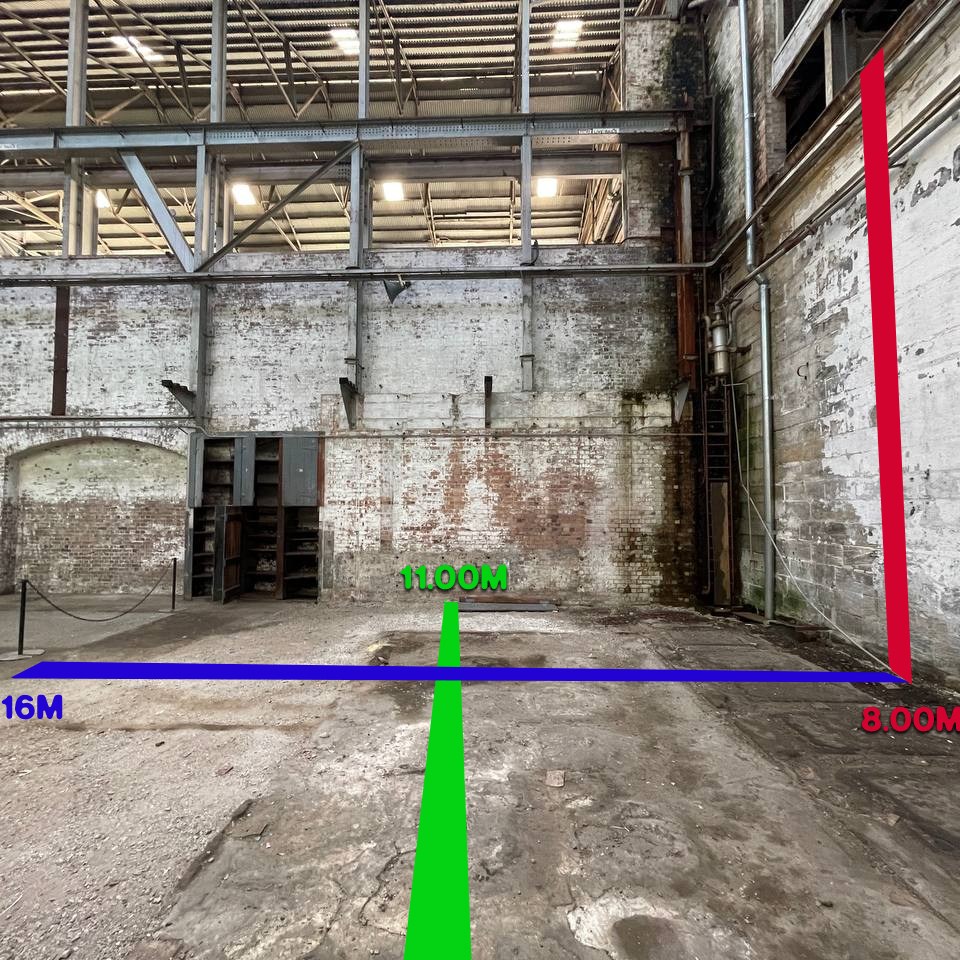
In the backyard of our Sydney home, I often watched ants tracing their paths across every corner. They seemed endlessly busy, yet deeply purposeful. The more I observed, the more I became fascinated by their intricate nature and collective social systems.
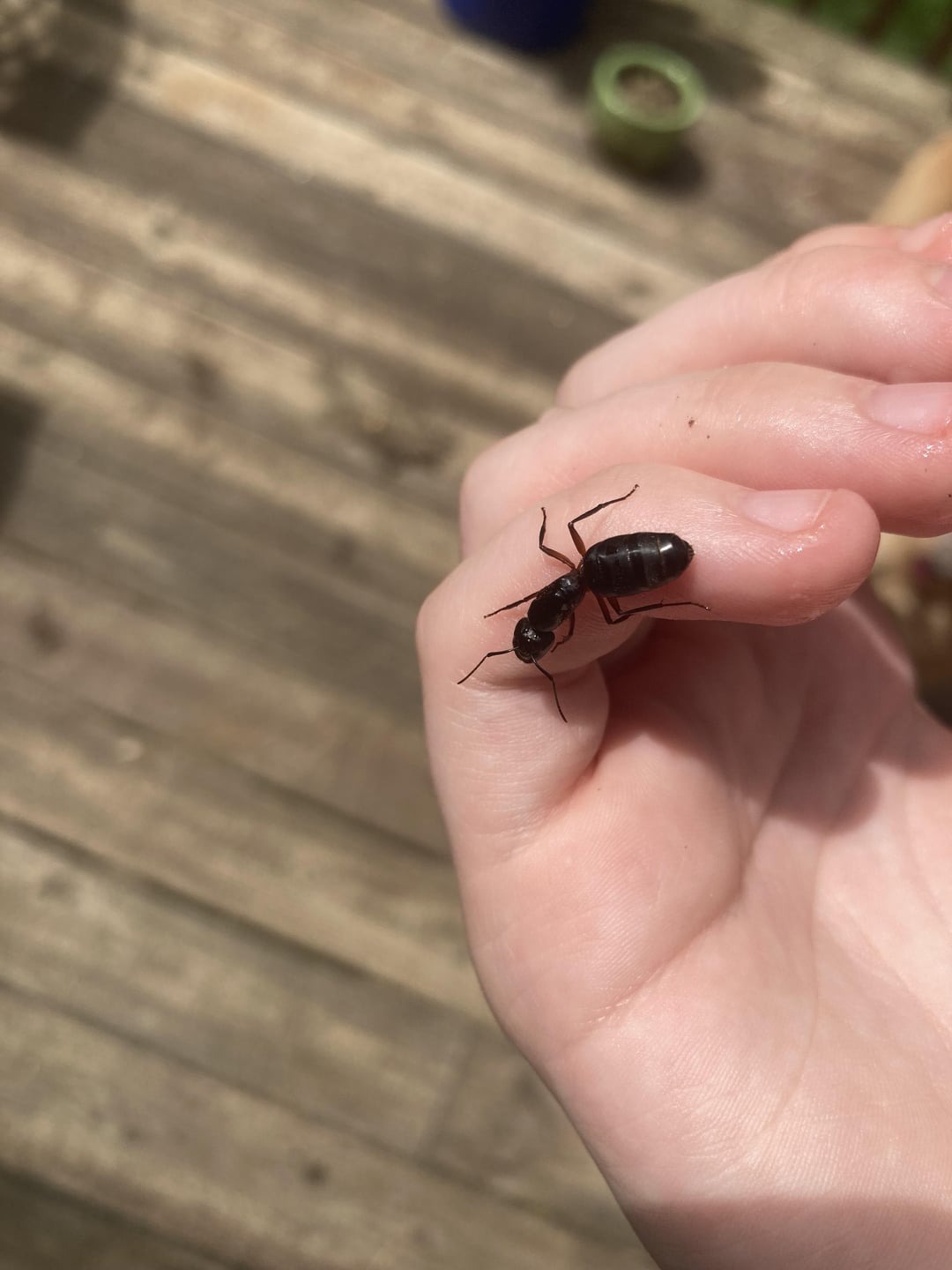
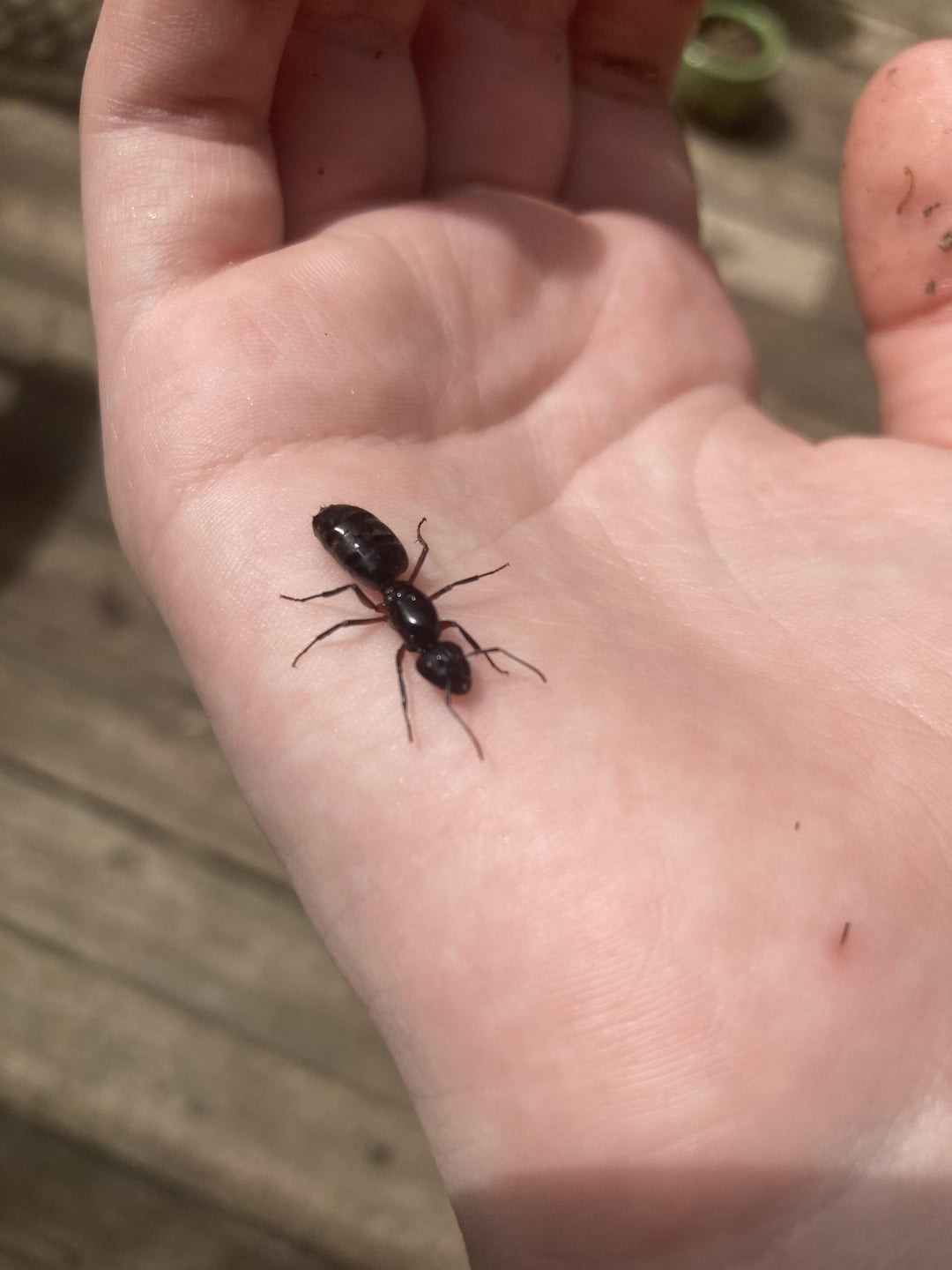
Australian ants have evolved extraordinary survival mechanisms for harsh environments – from desert species that navigate by landmarks to coastal species that form rafts during floods. This adaptability speaks directly to your exploration of non-traditional forms of resilience and the strength found in flexibility rather than rigid toughness.
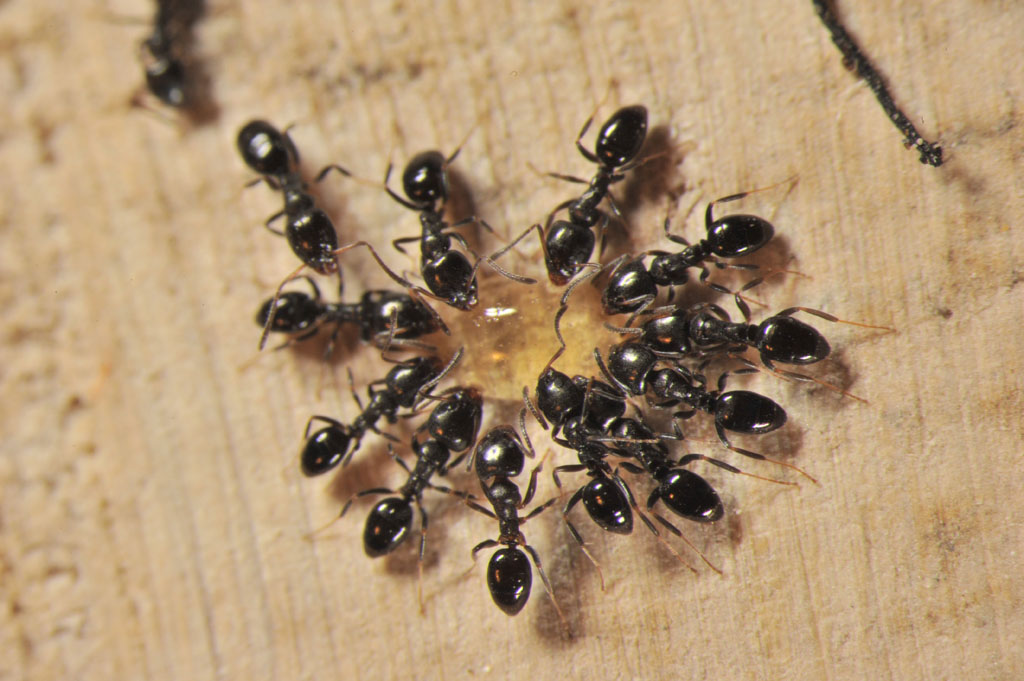

Ant colonies operate through decentralized decision-making where individual actions create collective intelligence without hierarchical command. Their societies are fundamentally matriarchal – queens and female workers drive expansion and innovation, while males exist peripherally for reproduction alone. Communication happens through chemical signals and tactile exchanges, creating networks of shared knowledge that transcend individual lifespans.
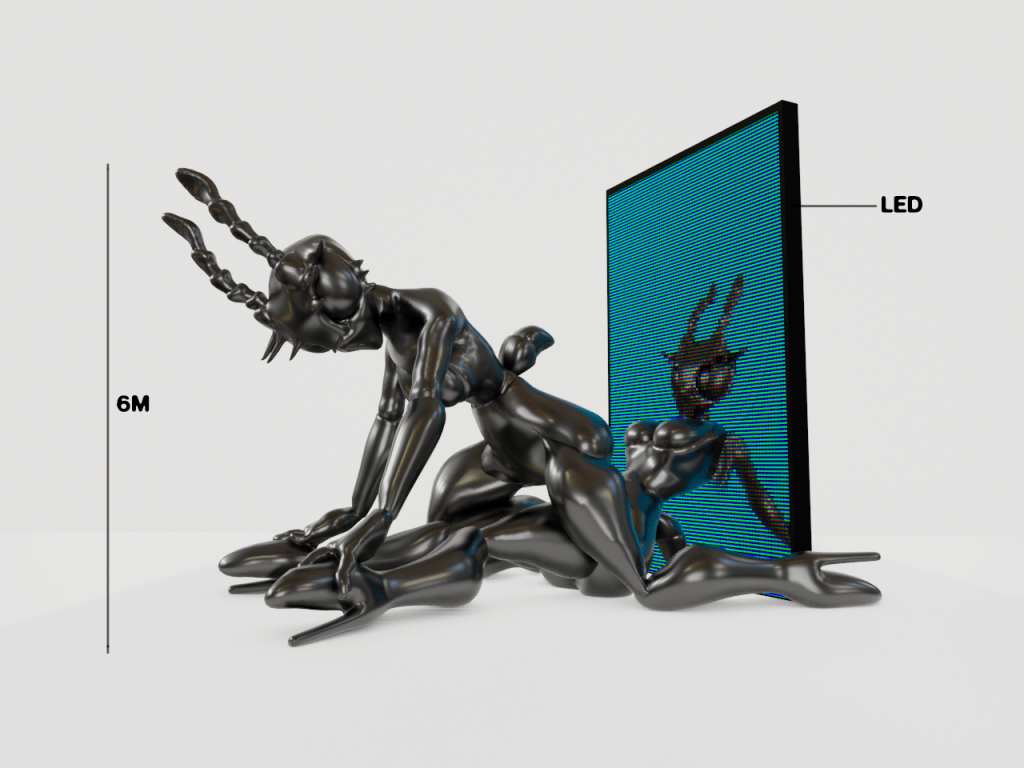
Based on the interests on this special species, we decided to use ants as the main figures of the artwork which is a great representation of alternative forms of adaptability , resillience and fluidity of social class.
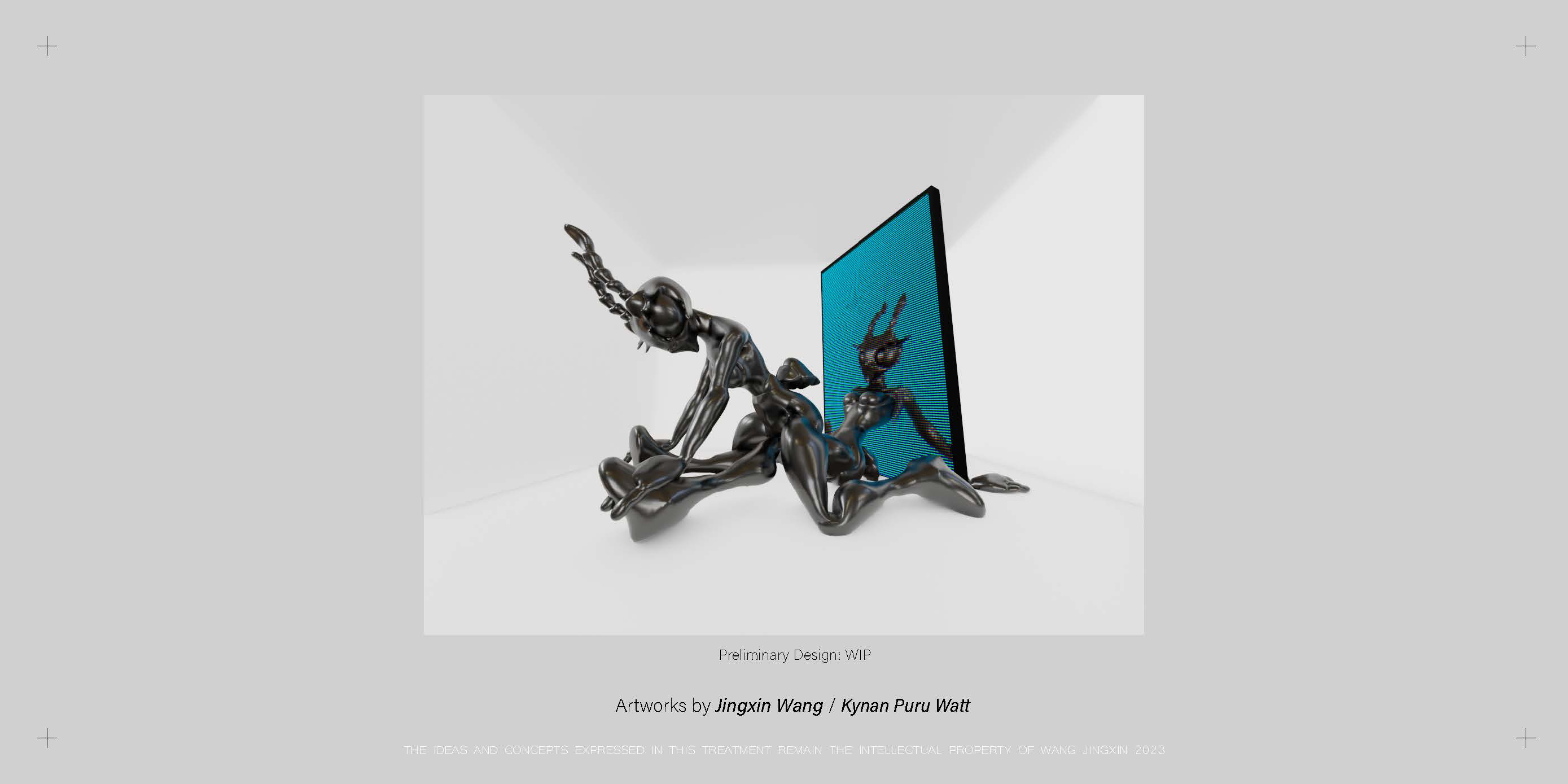
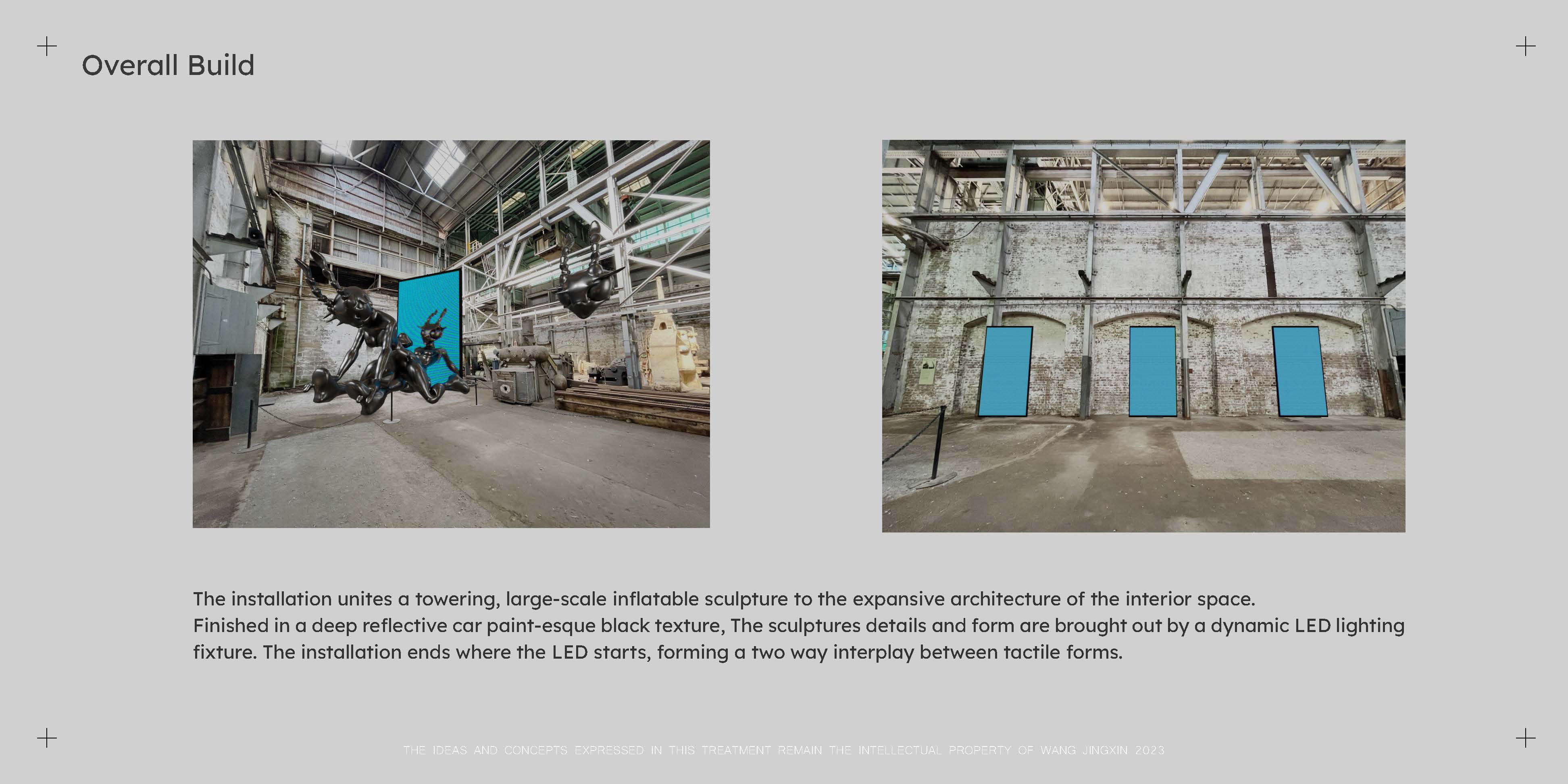
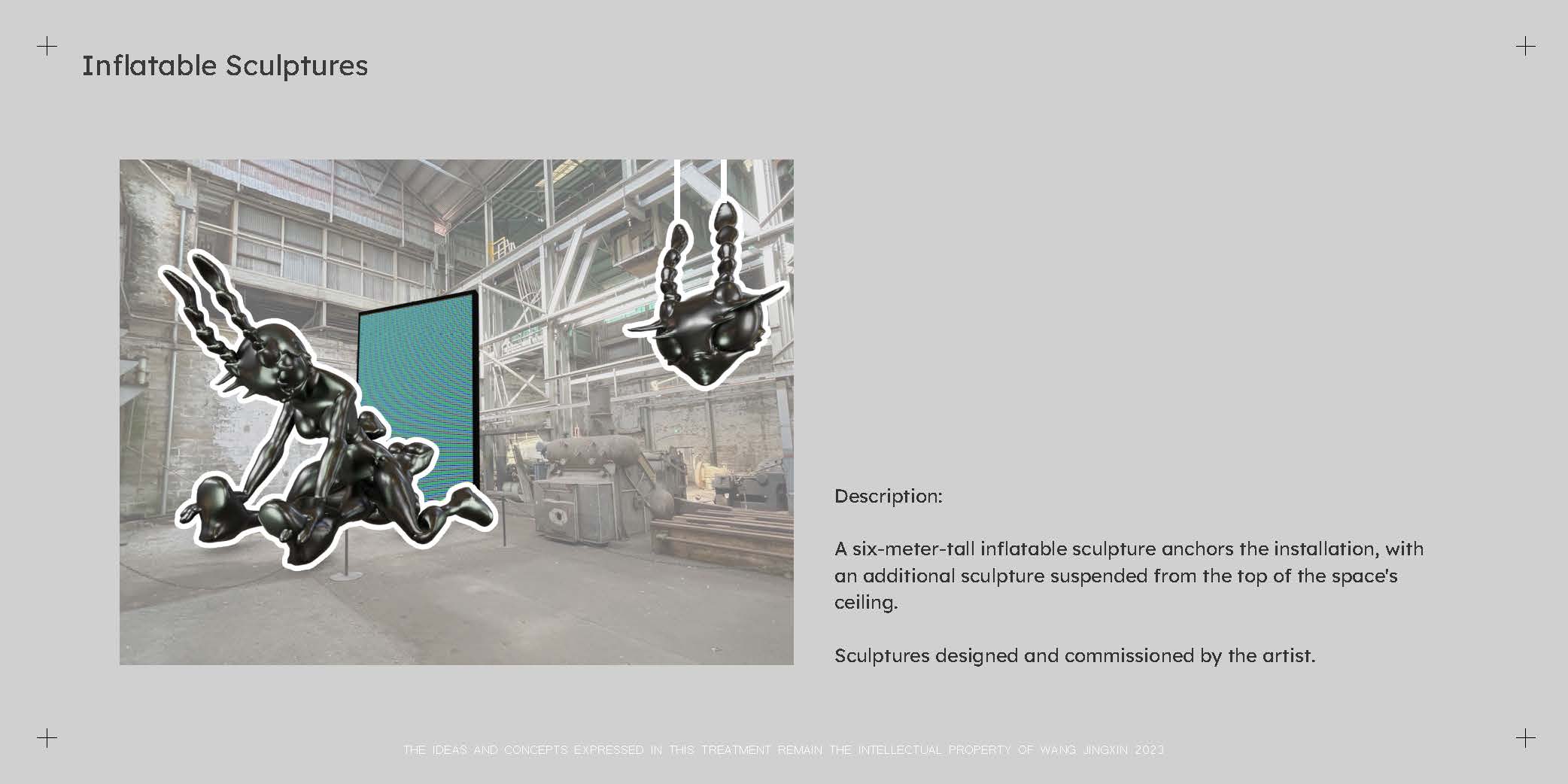
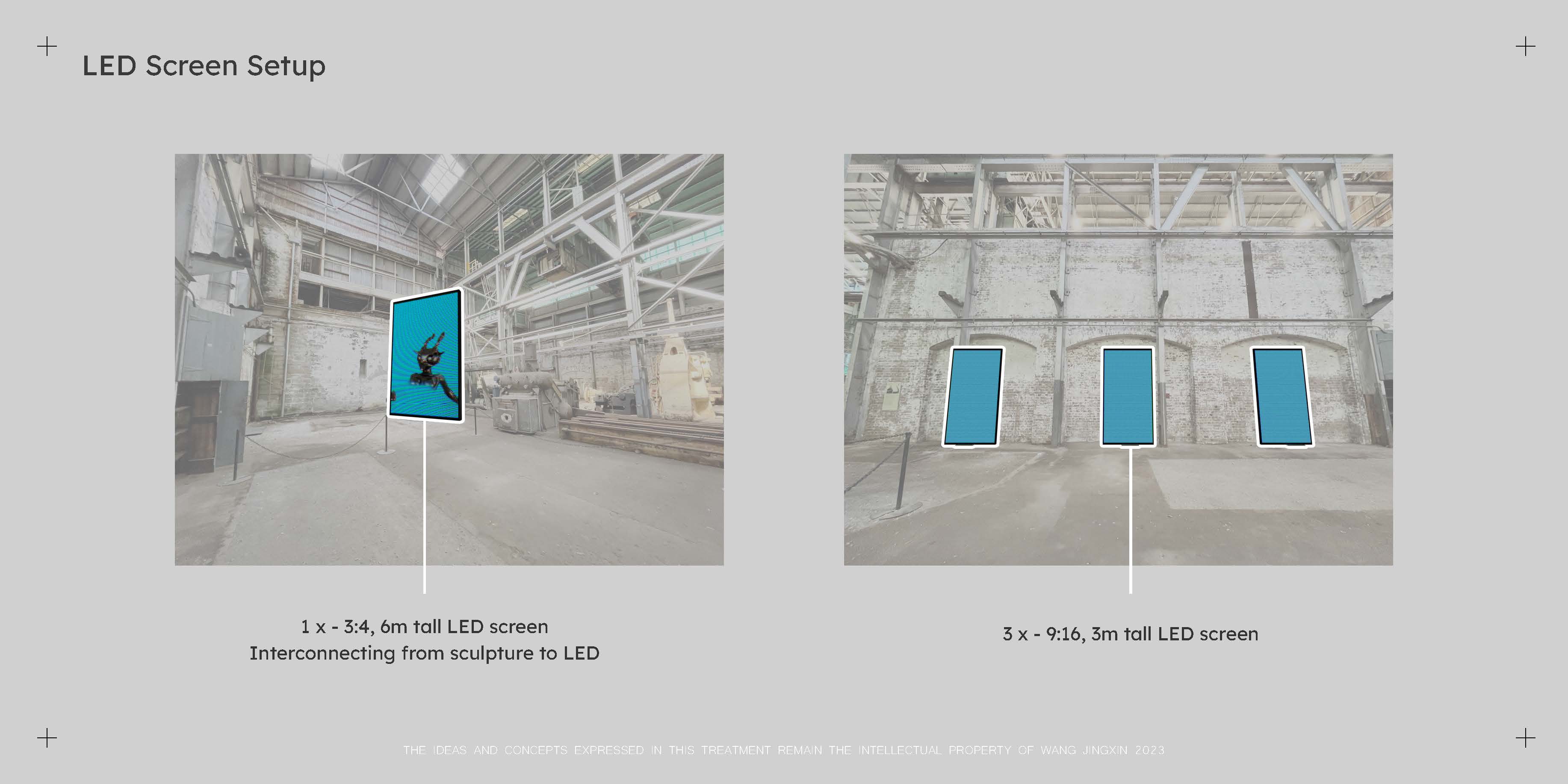
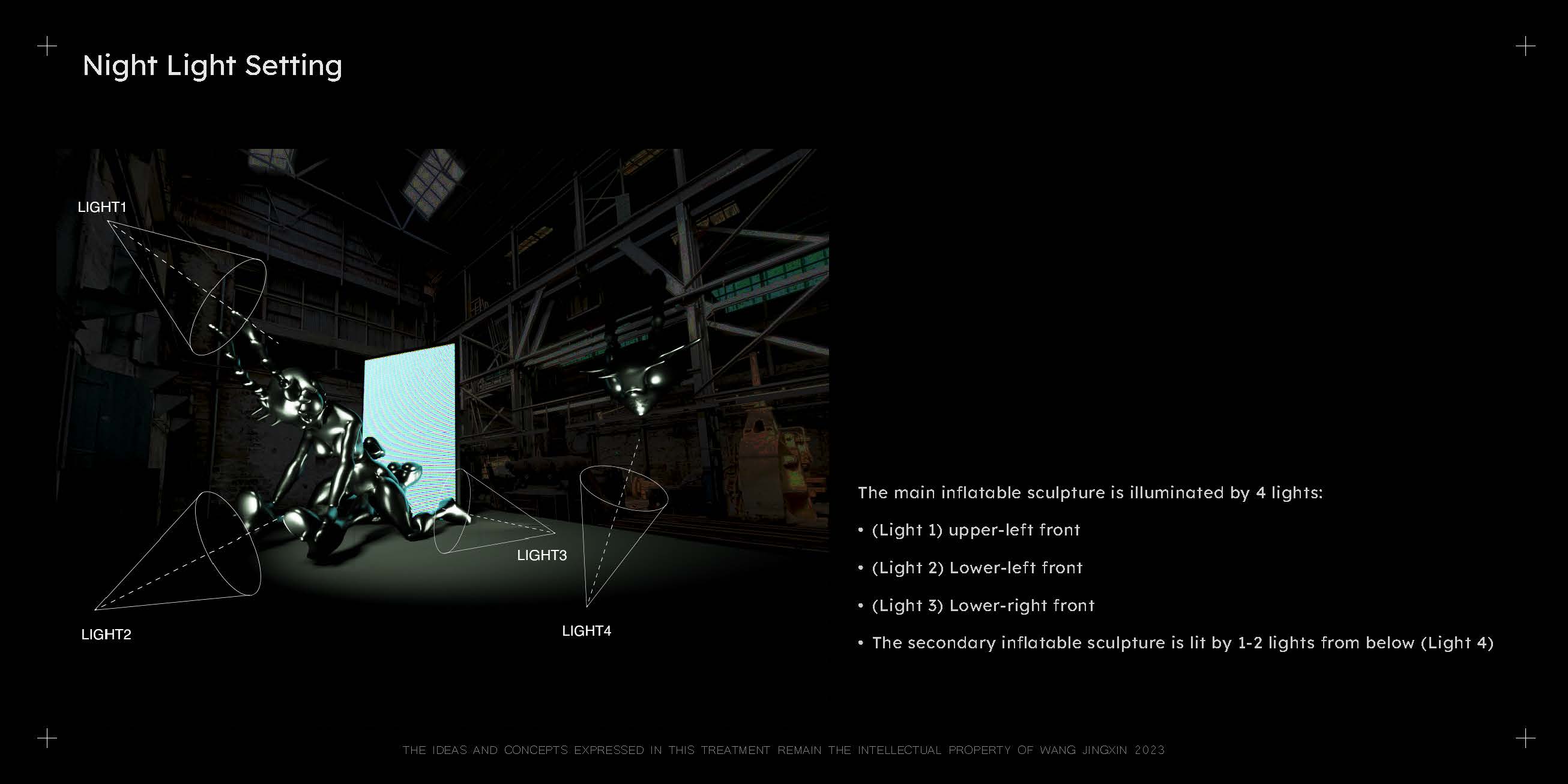
We set out to create something that felt larger than daily imagination could hold. After exploring different possibilities, we realized that an inflatable structure offered the perfect balance between ambition and budget. Working closely with the factory, navigating constant adjustments and racing against deadlines, we eventually transformed our vision into reality.
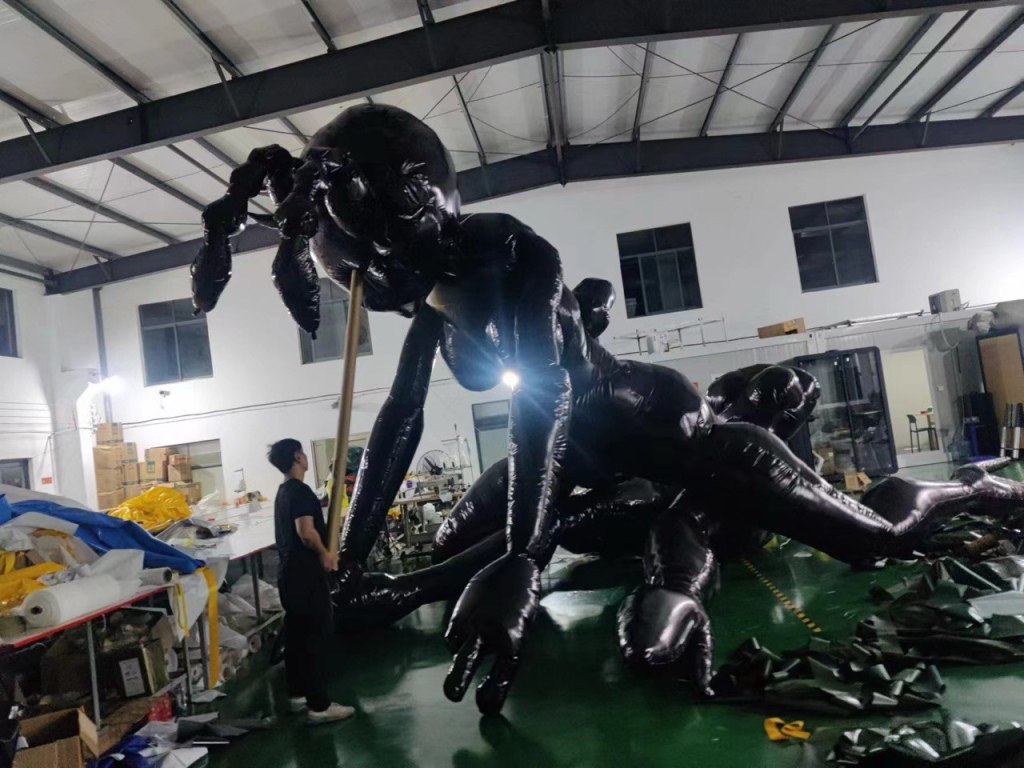
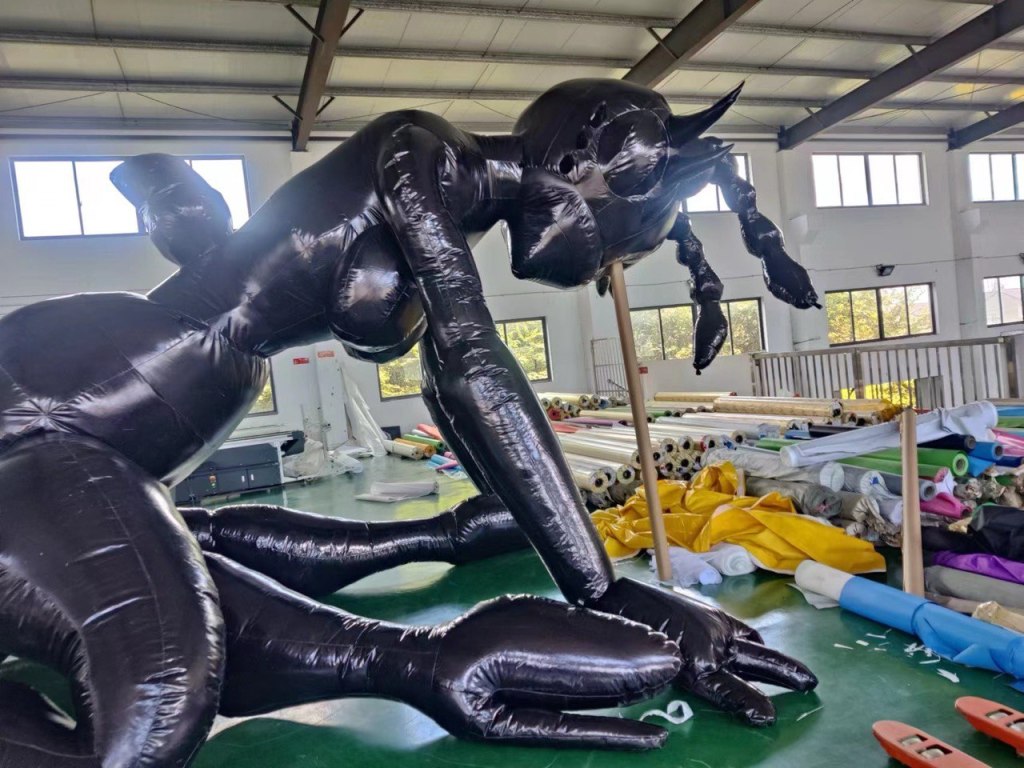
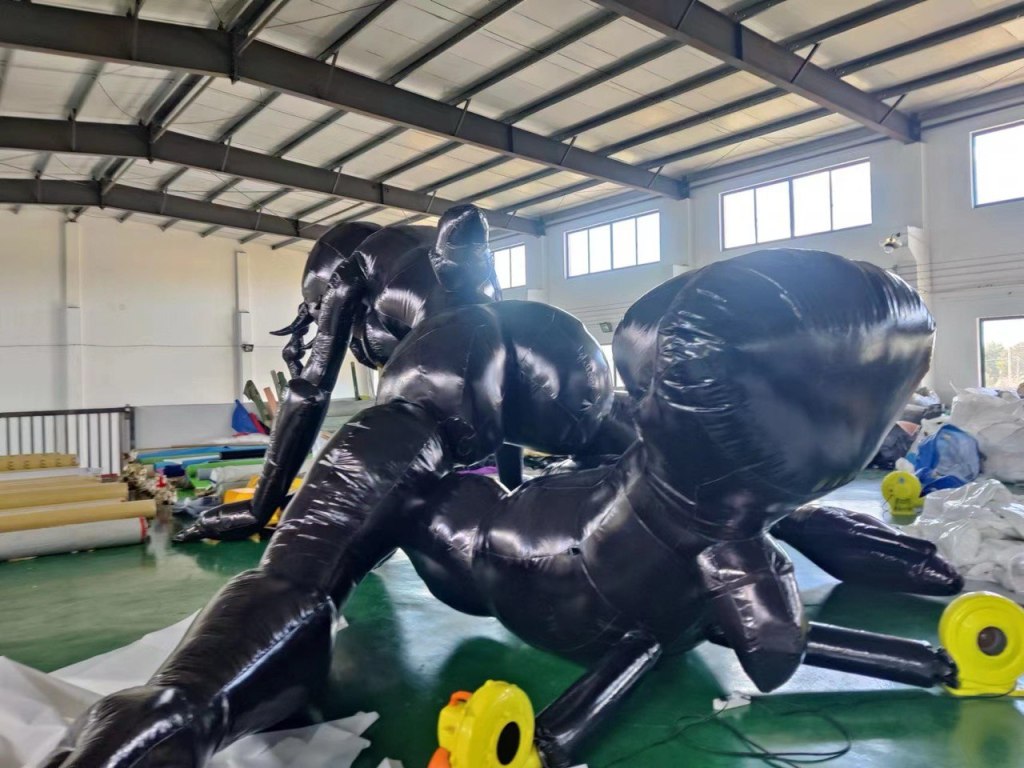

The final installation was an exciting convergence of form and media: the inflatable structure came alive through its dialogue with the LED visuals, echoing the vitality of our initial concept.
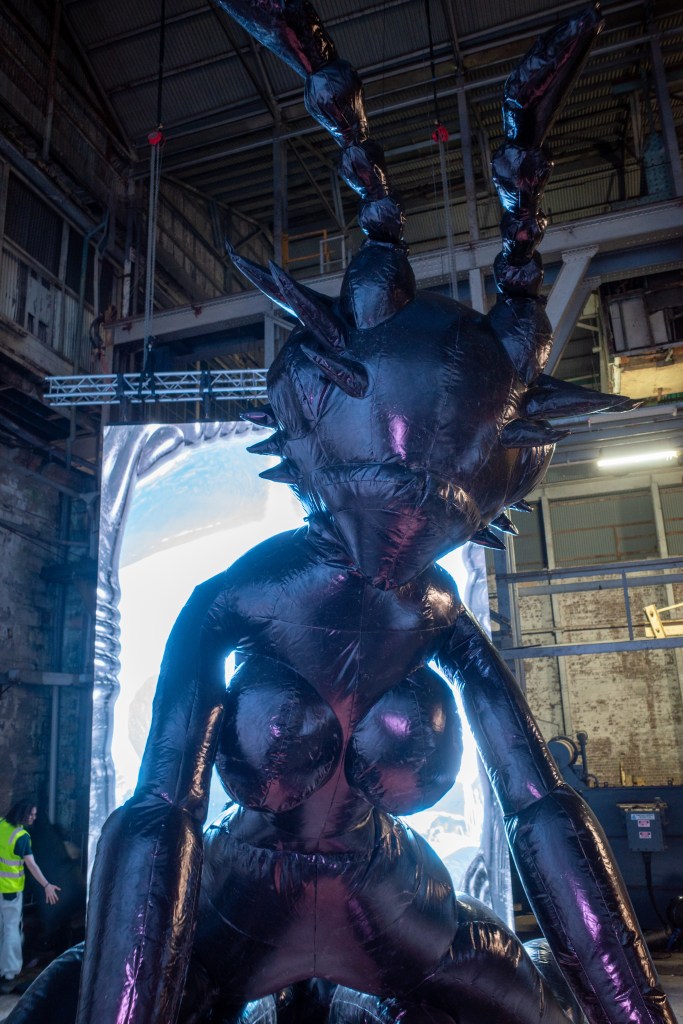
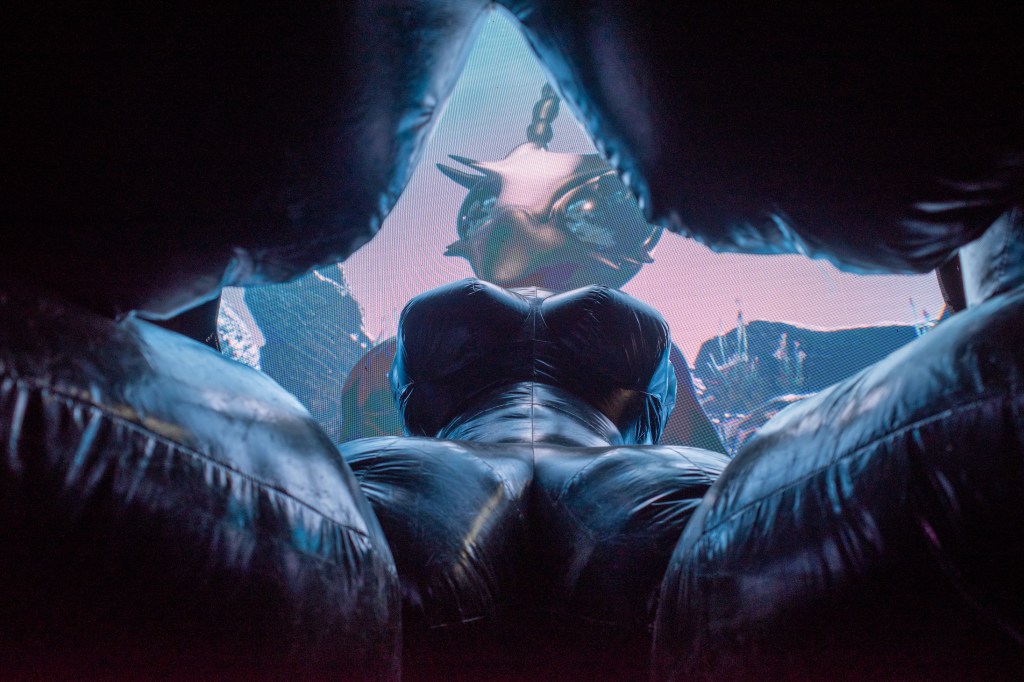
The response from the audience and collaborators was generous and affirming, while the process itself became a lesson in negotiation, persistence, and adaptation. What emerged was not just an installation, but a charged and playful encounter that expanded the space beyond its industrial past.
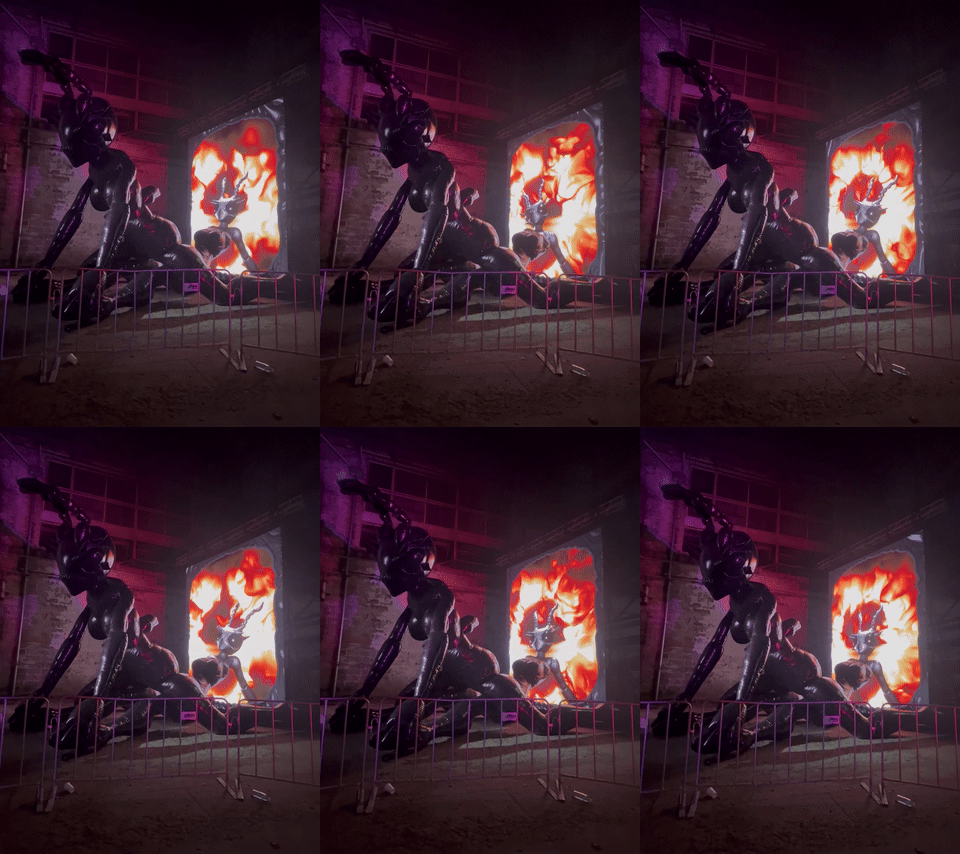
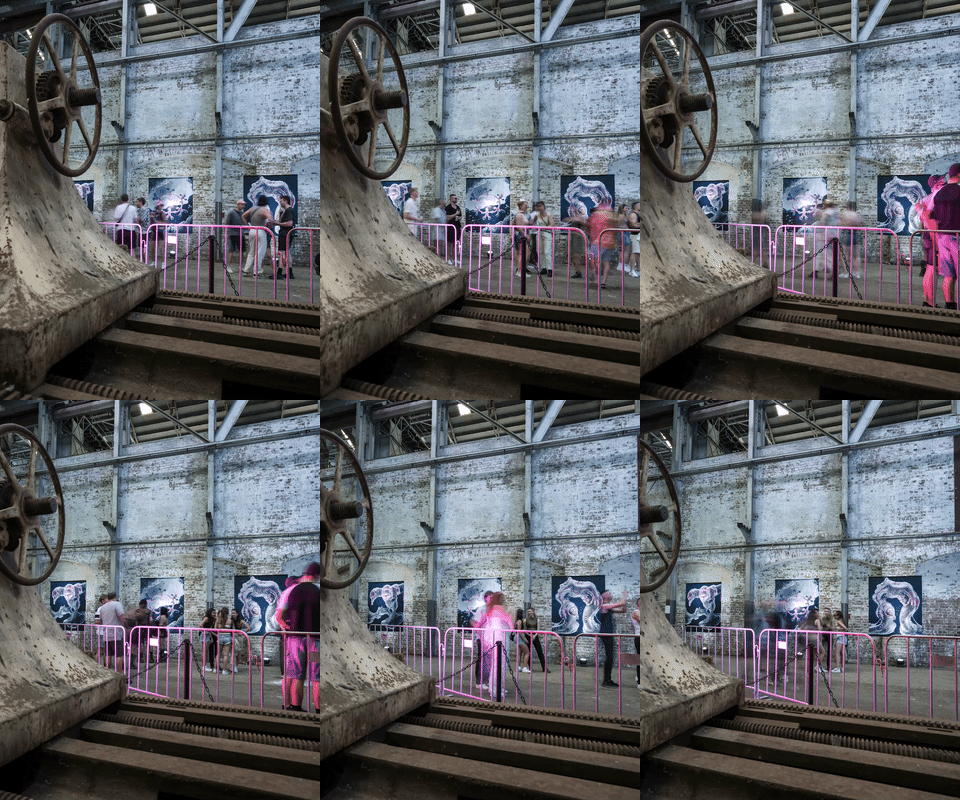
These figures, redolent of dream-like shadows may be interpreted as symbols for adaptability, or societal outcasts, presenting a contrast to traditional ‘masculine’ toughness.
 Wang Jingxin