“Techno Domestication” is the first fully developed conceptual project that emerged from my practice with additive manufacturing. For many years, I have been deeply engaged with the ethical entanglements between humans and non-human animals – a concern sharpened by the companionship of Shasha, a female dog my parents have raised, who has brought me profound comfort. This personal connection led me to explore writings on animal rights, disability rights, and queer rights, where I encountered the complex overlaps between these struggles. Donna Haraway’s work, particularly her reflections on post-humanism and companion species, has been especially influential in shaping my approach.
Donna Haraway
“ The boundary between science-fiction and social reality is an optical illusion.”
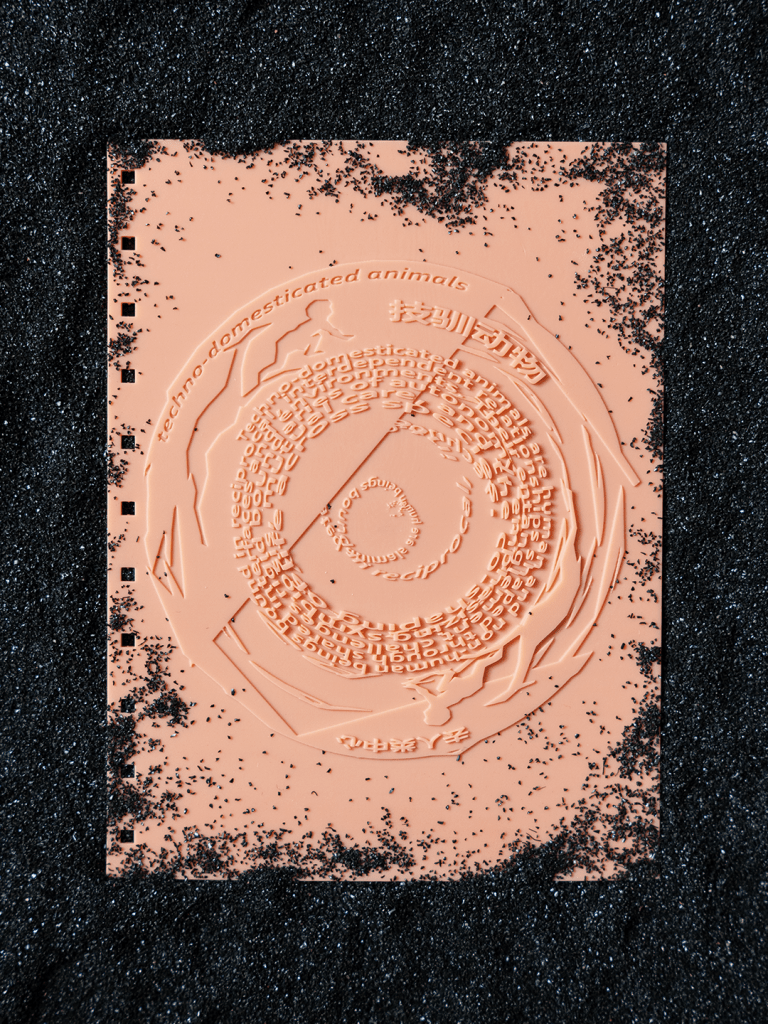

Before unfolding the project further, let us pause to consider the difference between ‘domesticated animals’ and the idea of ‘techno-domesticated animals.
Domesticated animals are those that have undergone selective breeding over many generations to become genetically distinct from their wild ancestors and adapted to live alongside humans. This process, called domestication, creates a mutualistic relationship where humans provide care and resources, and the animals provide benefits such as food, labor, or companionship.
Techno-domesticated animals are human and non-human beings bound in reciprocal, interdependent relationships shaped through shared interfaces and environments. Their entanglement challenges rigid boundaries of autonomy, emphasizing symbiosis, mutual care, and the co-shaping of life across species.
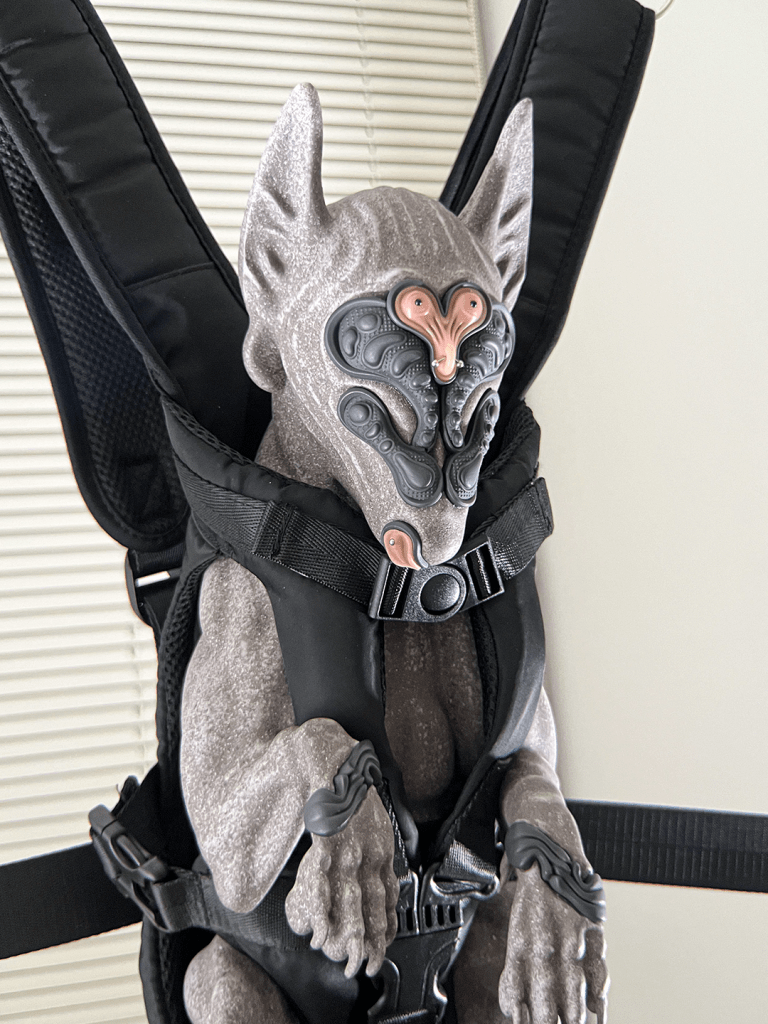
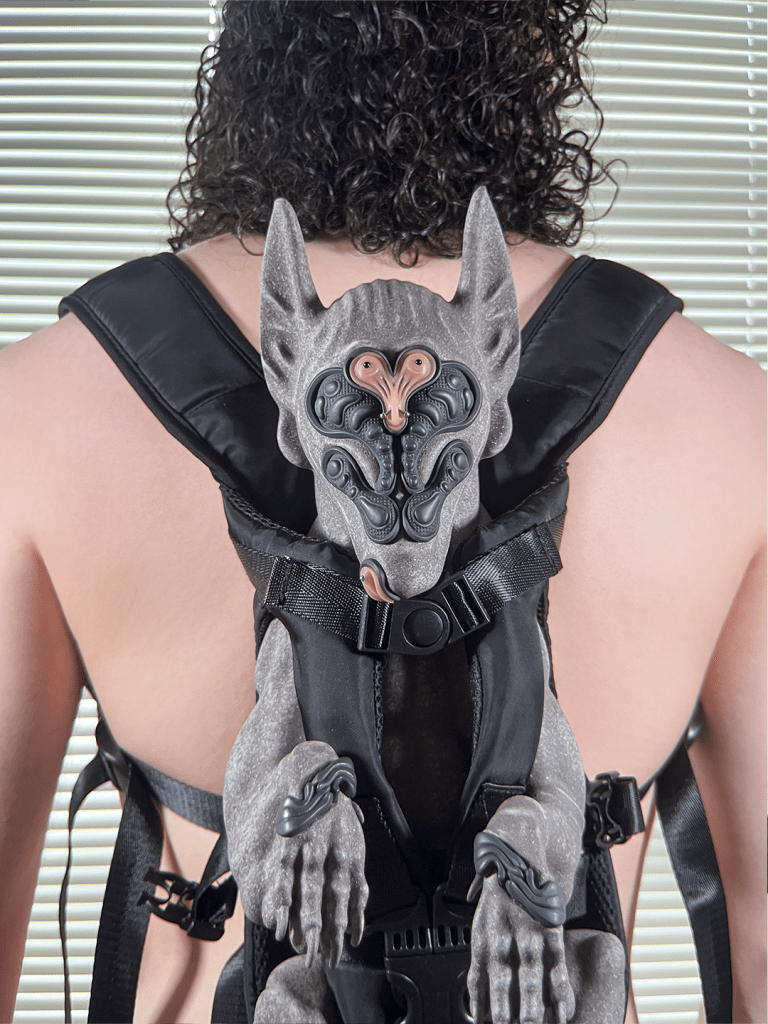
![TechDom[0.5] (overall view)](https://wangjingxin.online/wp-content/uploads/2025/07/techdom11_take1.png?w=768)
In this framework, animals include both human and non-human beings, rejecting hierarchical distinctions. Both species influence each other’s behaviors, creating a fluid, interconnected relationship that goes beyond traditional ideas of control or subjugation.
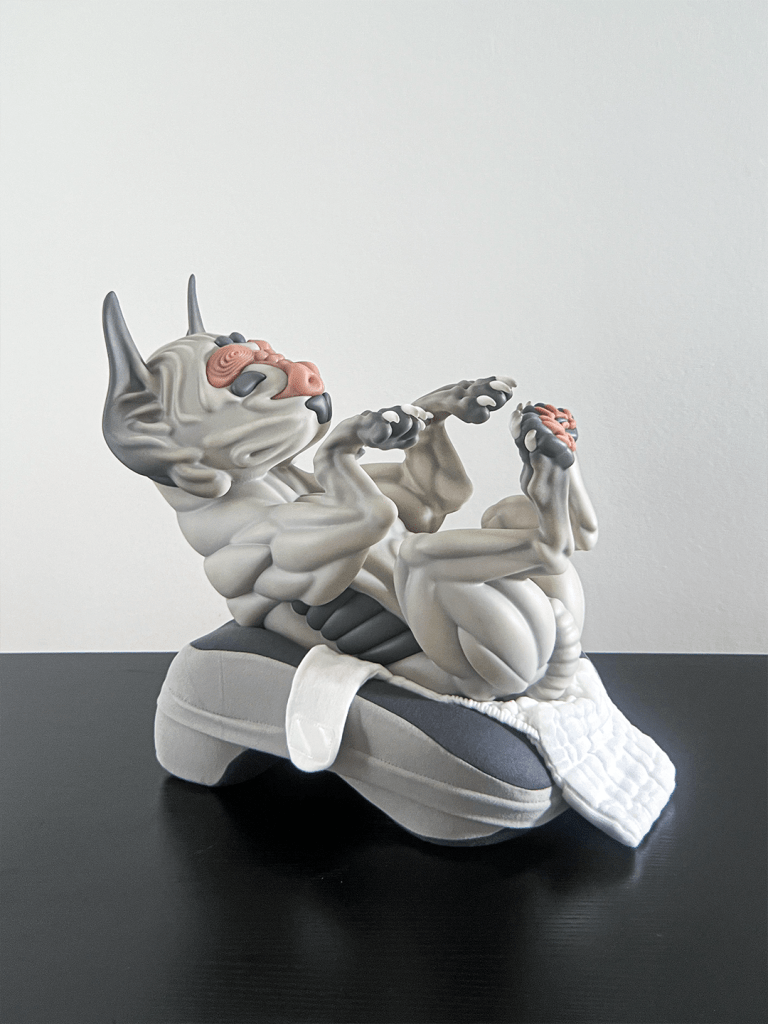
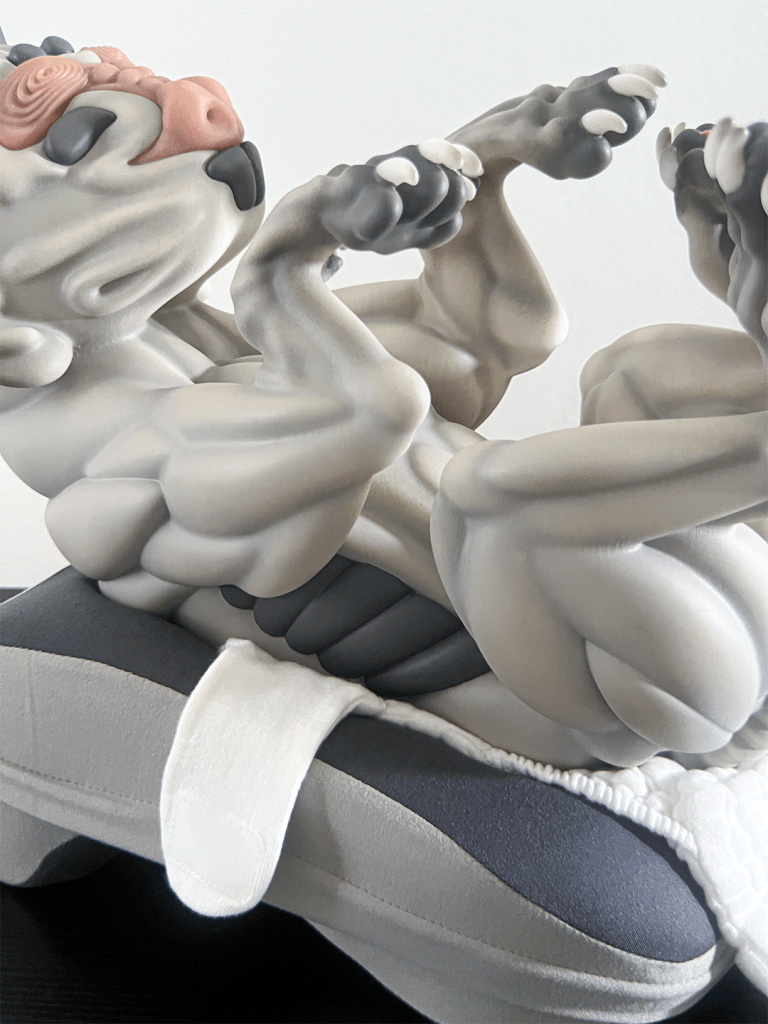
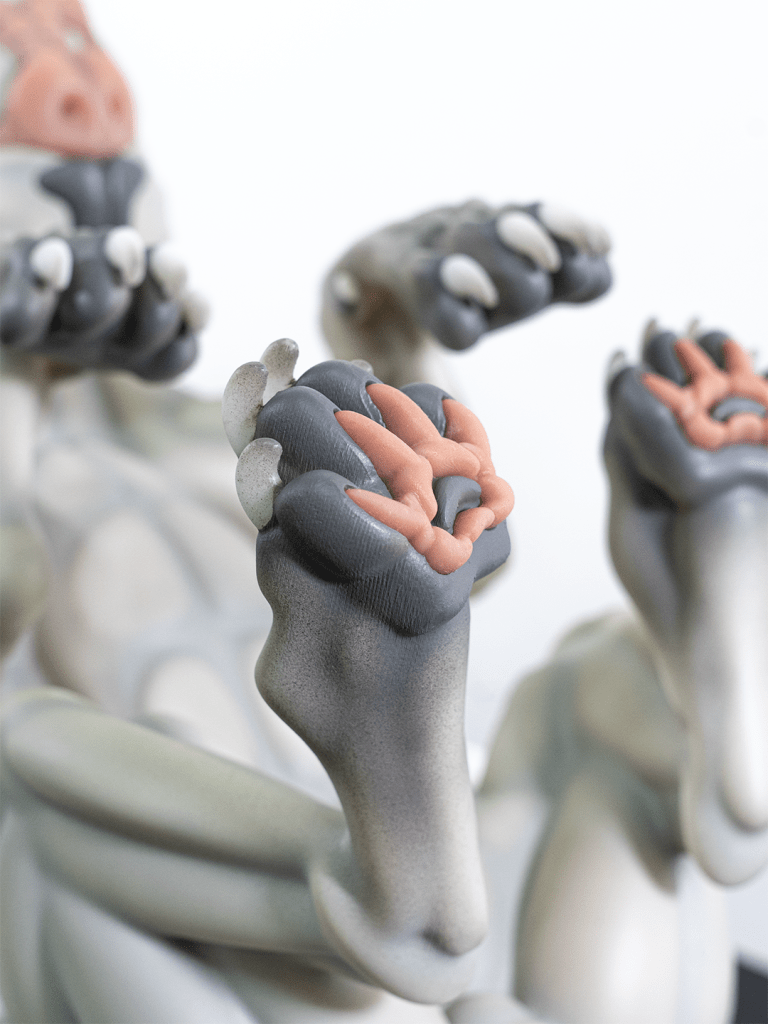
Domestication is a reciprocal process where both humans and non-human animals adapt and co-shape their lives through mutual care and shared environments. It’s not about control, but about interdependence and symbiosis.

Key Conditions of Techno-Domestication:
- Mutual Adaptation
- Interdependent vulnerability
- Porous Boundaries
- Shared Environments
- Continuous Negotiation
Interdependency rejects the myth of the autonomous individual, instead recognizing that all life exists in networks of mutual support and influence. These relationships aren’t just practical arrangements but constitute the very identities of the participants involved.

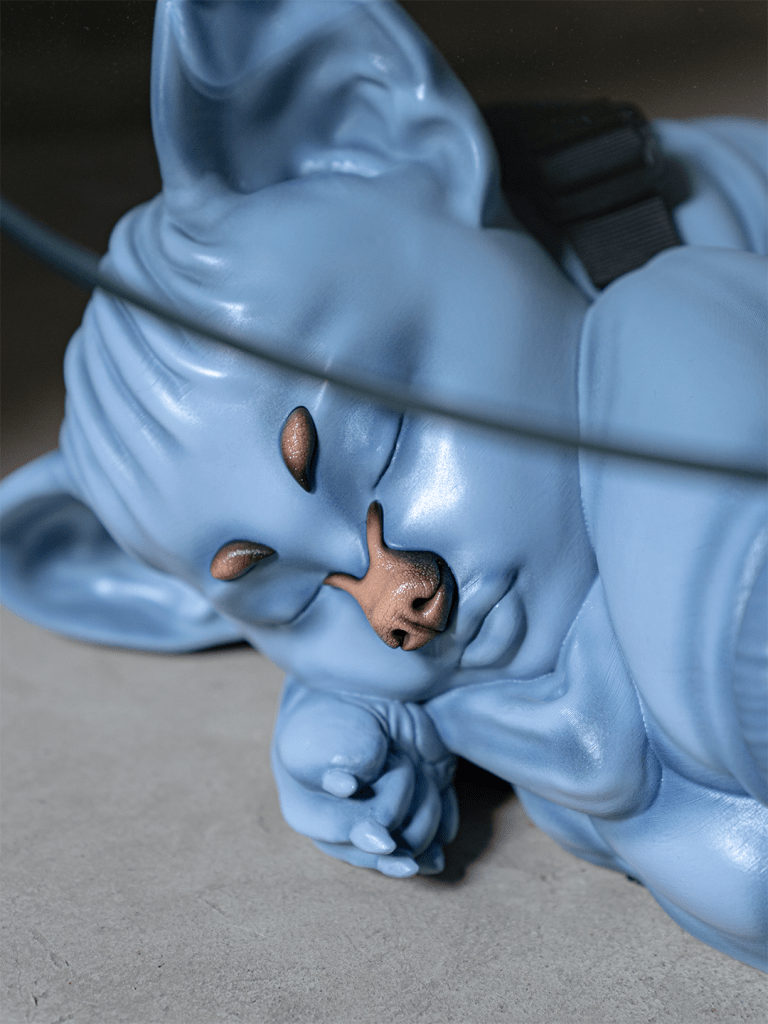
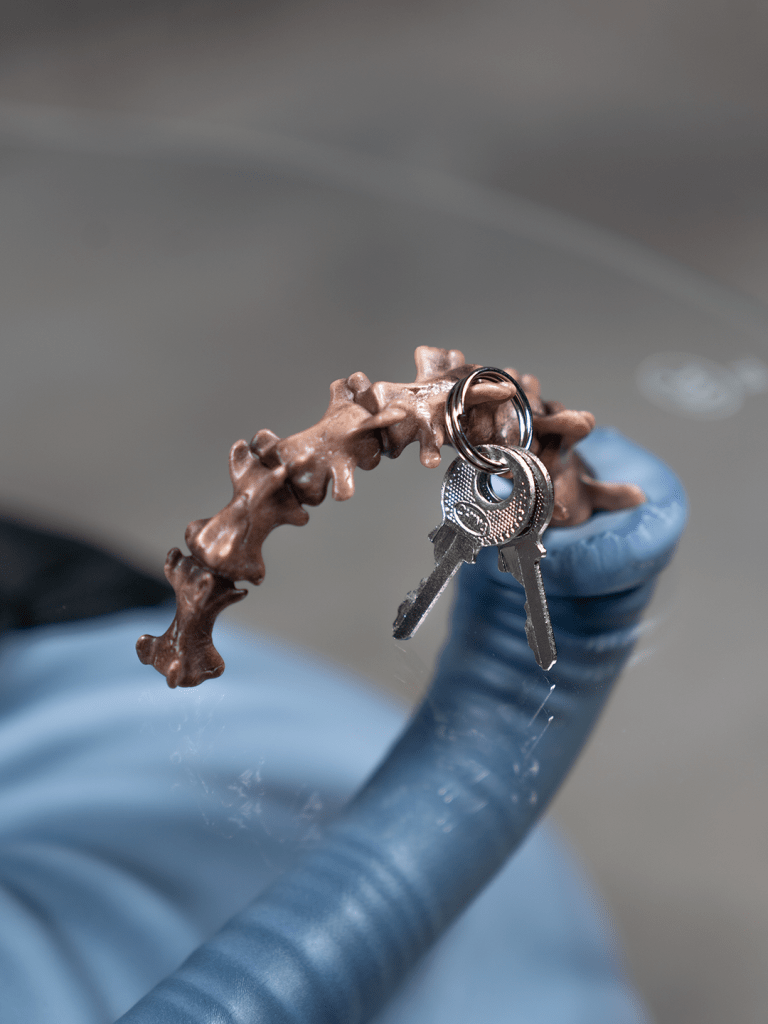
Vulnerability isn’t a weakness but a productive state that opens beings to genuine connection, when both humans and non-human animals acknowledge their mutual vulnerabilities, they create spaces for authentic care rather than domination.
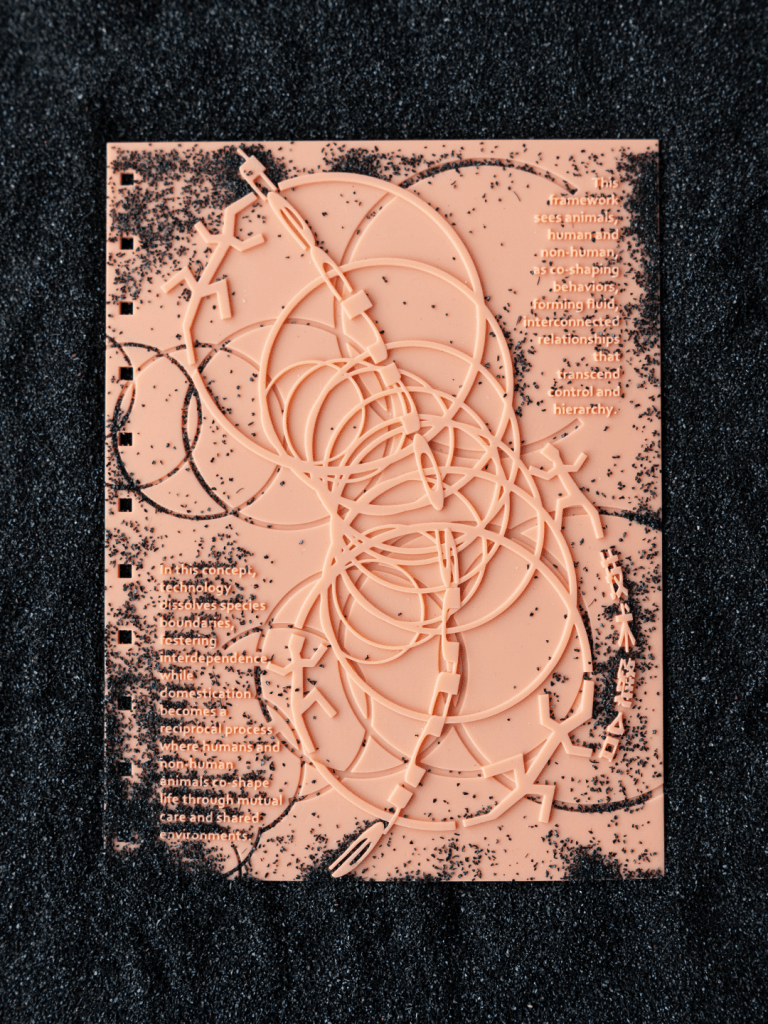
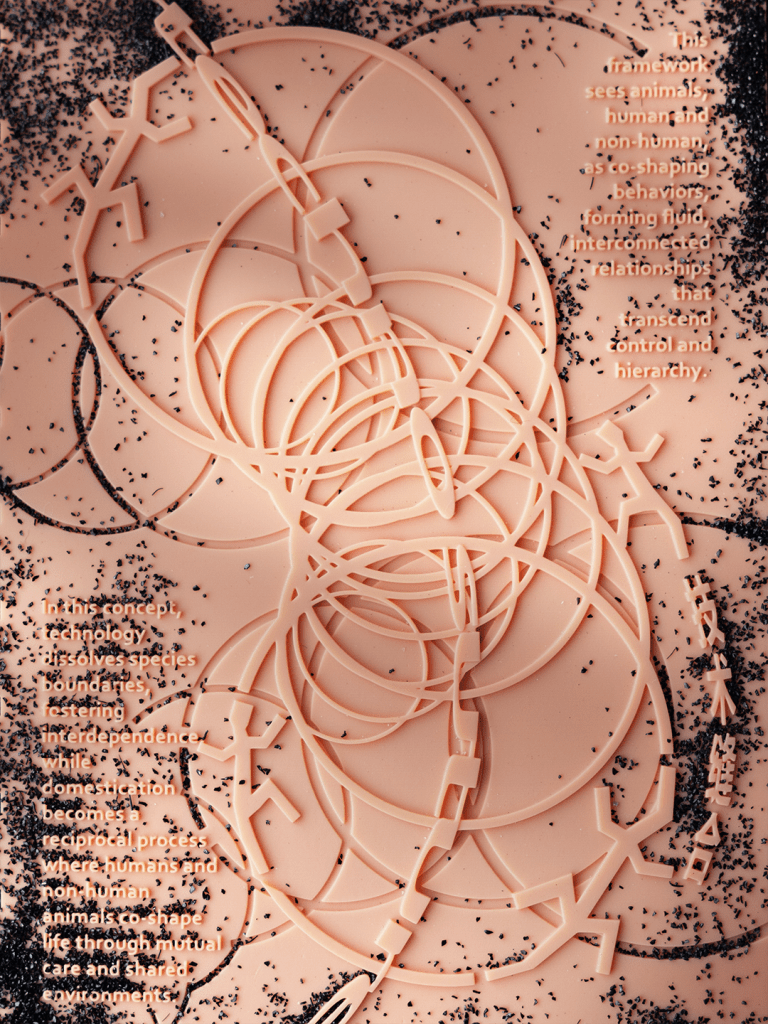
In this concept, technology is not just a tool for humans to control animals but an active force that shapes the relationships between humans and non-human animals. It helps create mutual care, connection, and interdependence, reducing the boundaries between species.
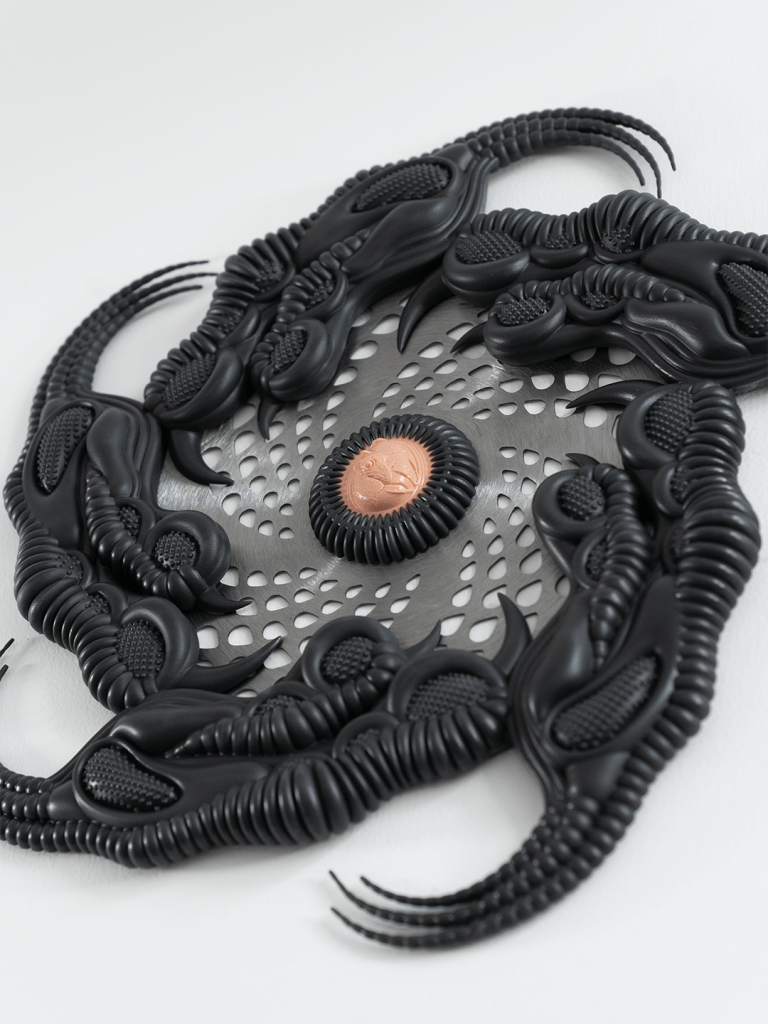
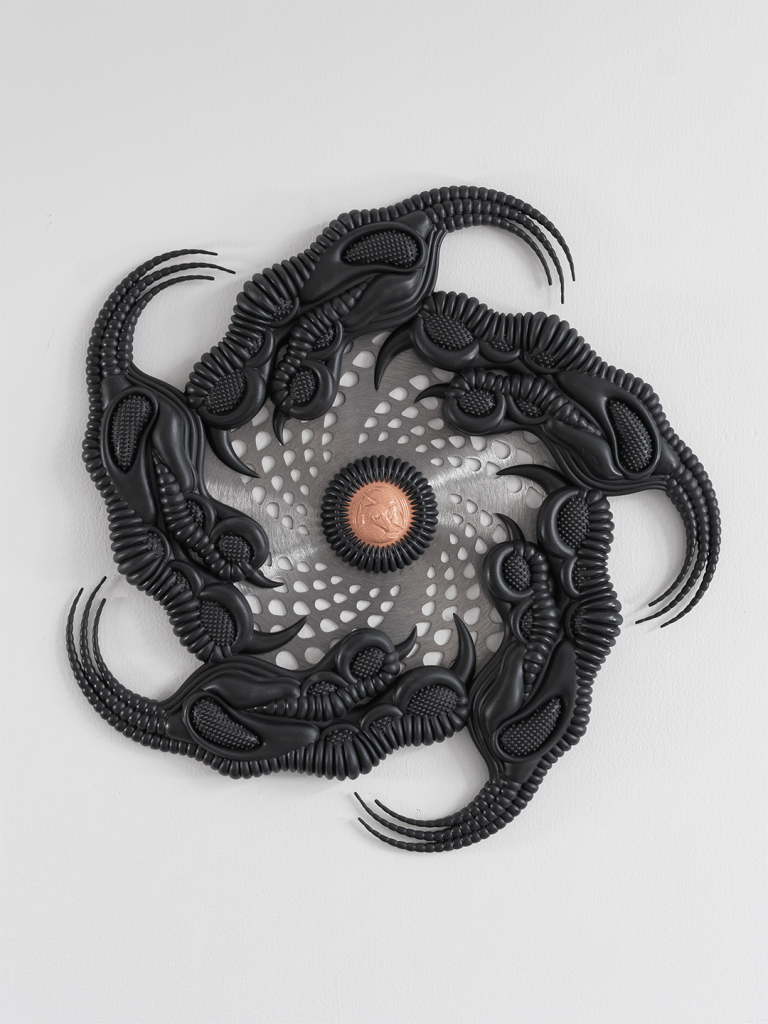
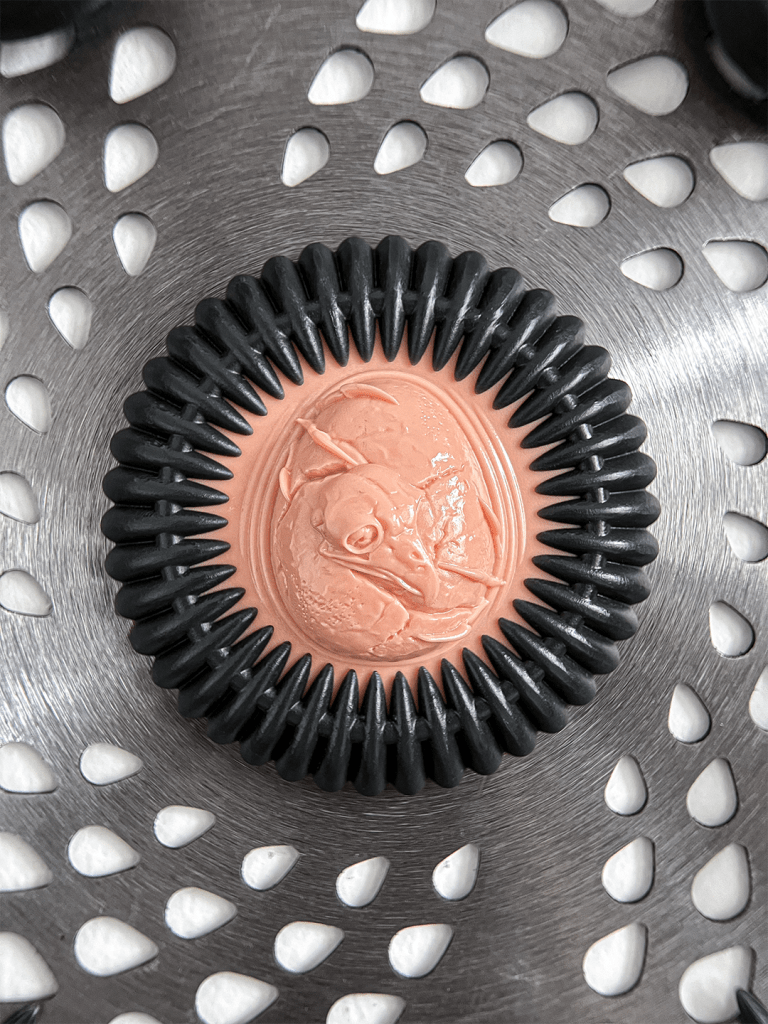
Together, these concepts suggest that being “techno-domesticated” isn’t about diminishment but about the expansion of possibilities that emerge when different kinds of beings acknowledge their need for one another and the technologies that bind them.
 Wang Jingxin