After several years of working within the digital visual field, my fascination with the transition from conceptual imagery to tangible form has only deepened. My explorations extend beyond the screen or printed matter, moving toward more spatial and material expressions through Additive Manufacturing.
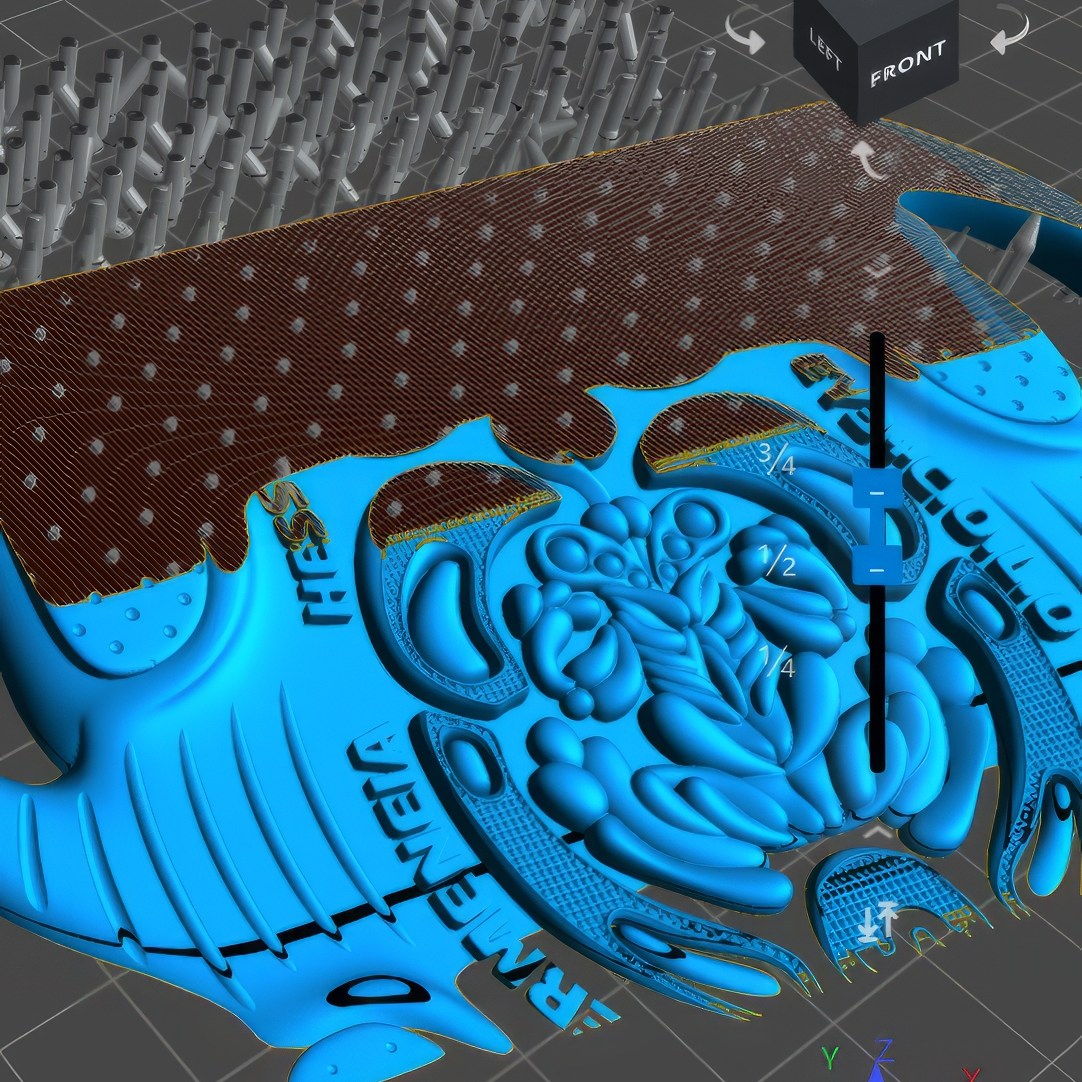

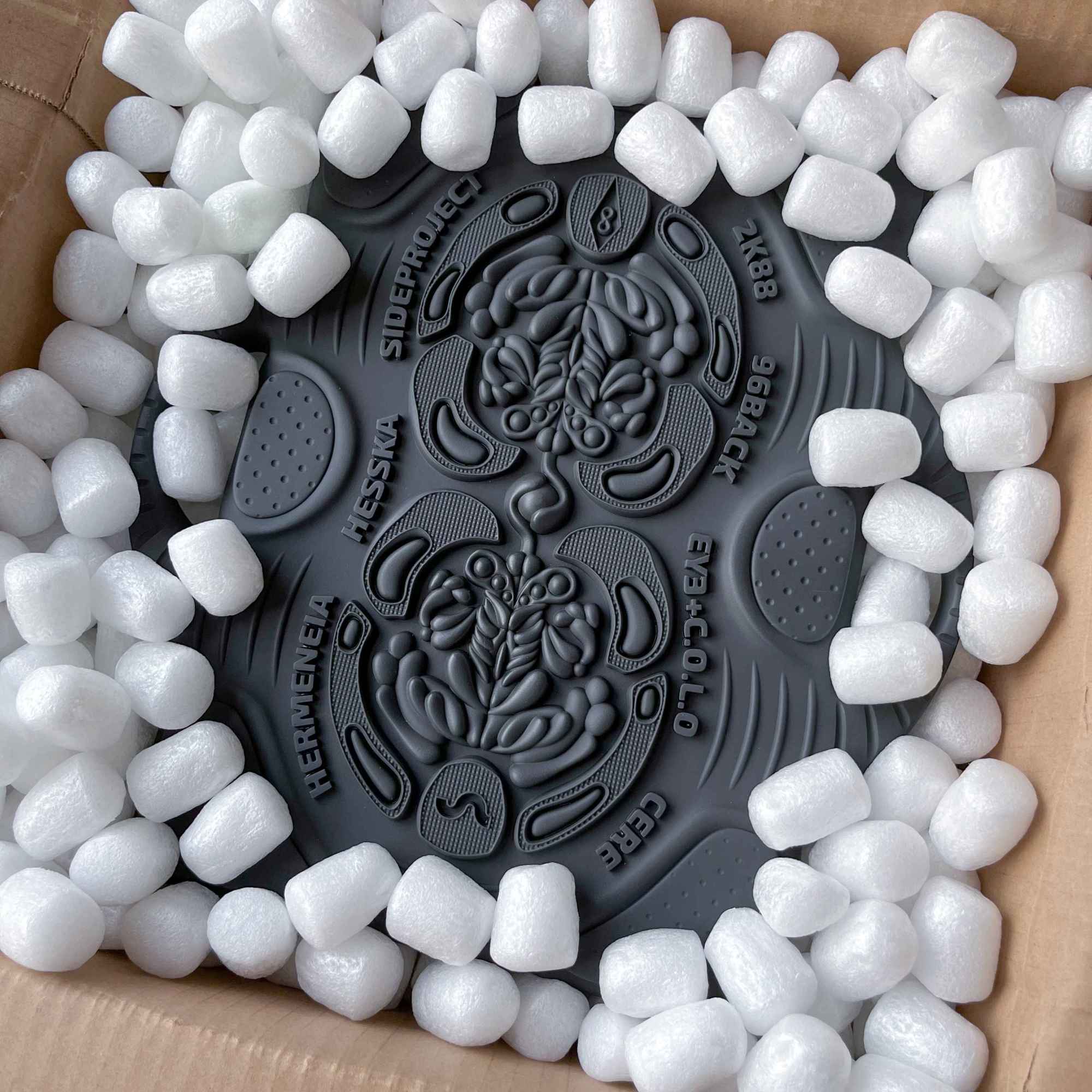
Although this technology has existed for decades, its aesthetic potential has often been overlooked, frequently applied in limited or utilitarian ways. In recent years, however, it has begun to find resonance within art and fashion, with increasing precision and versatility. For an artist skilled in 3D modeling, it offers an ideal bridge from concept to prototype, enabling iterative processes that expand the possibilities of visual imagination.

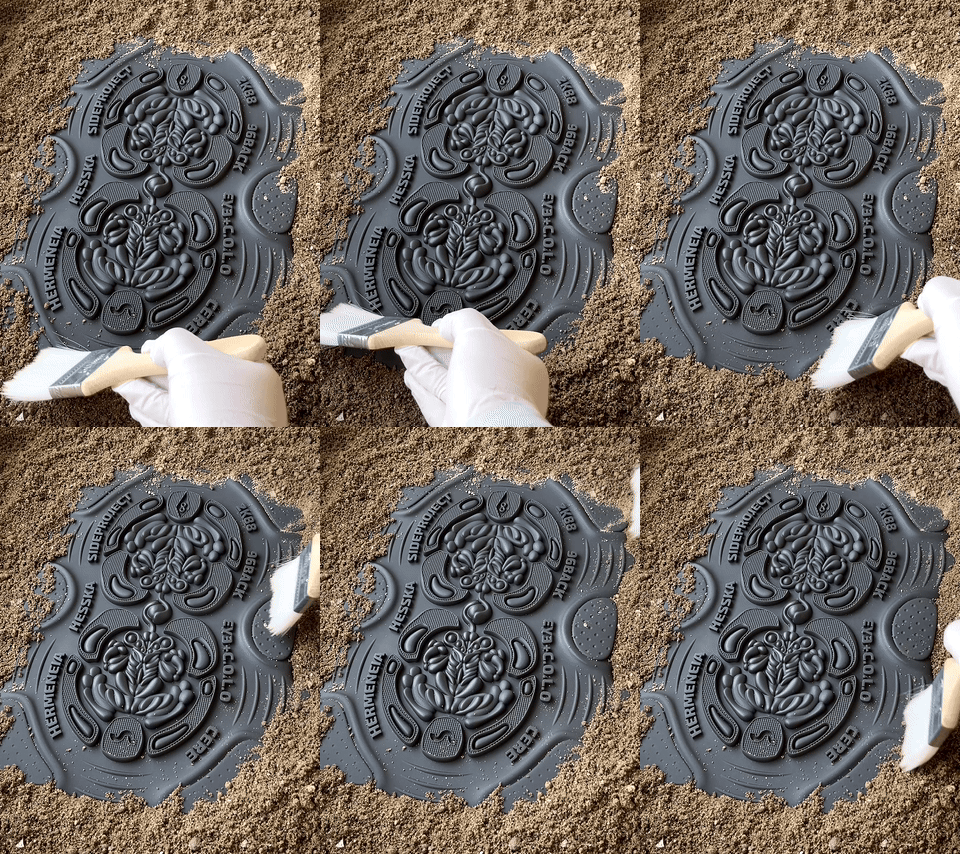
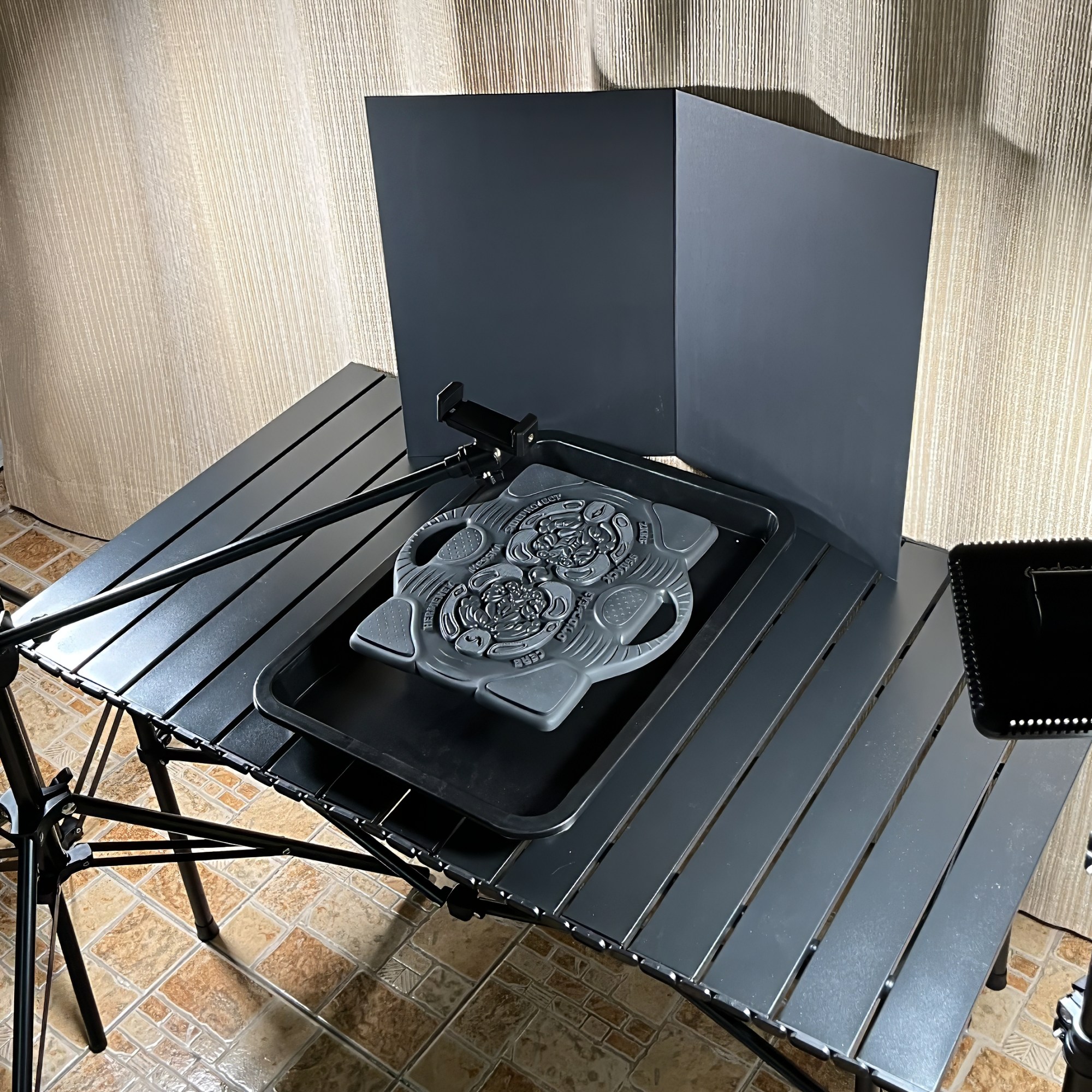
Experimenting with the surface representation of 3D prints is also an enjoyable aspect of the artistic practice. It involves knowledge of photography and explores the interplay of different materials under the lens.
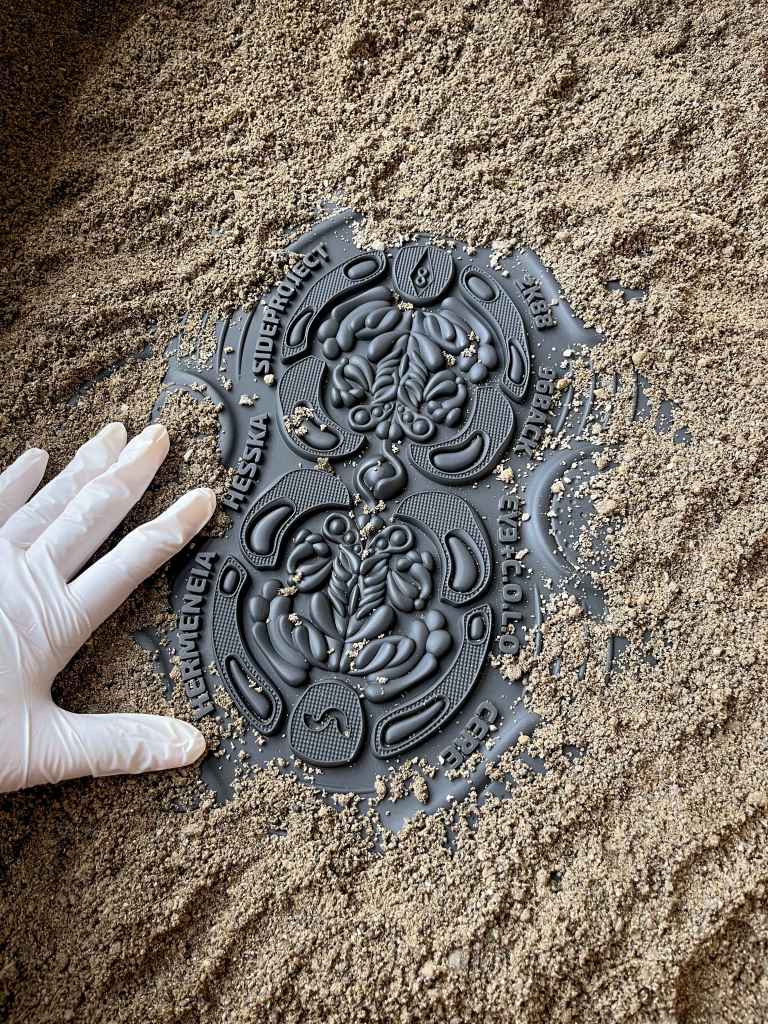
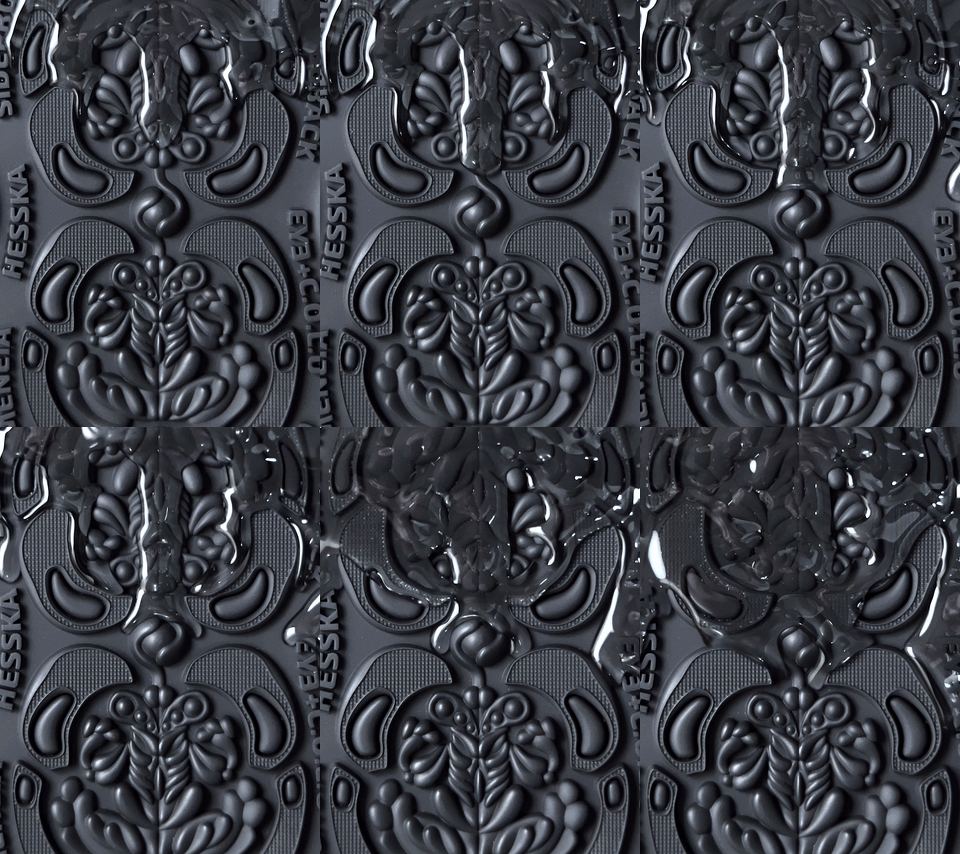
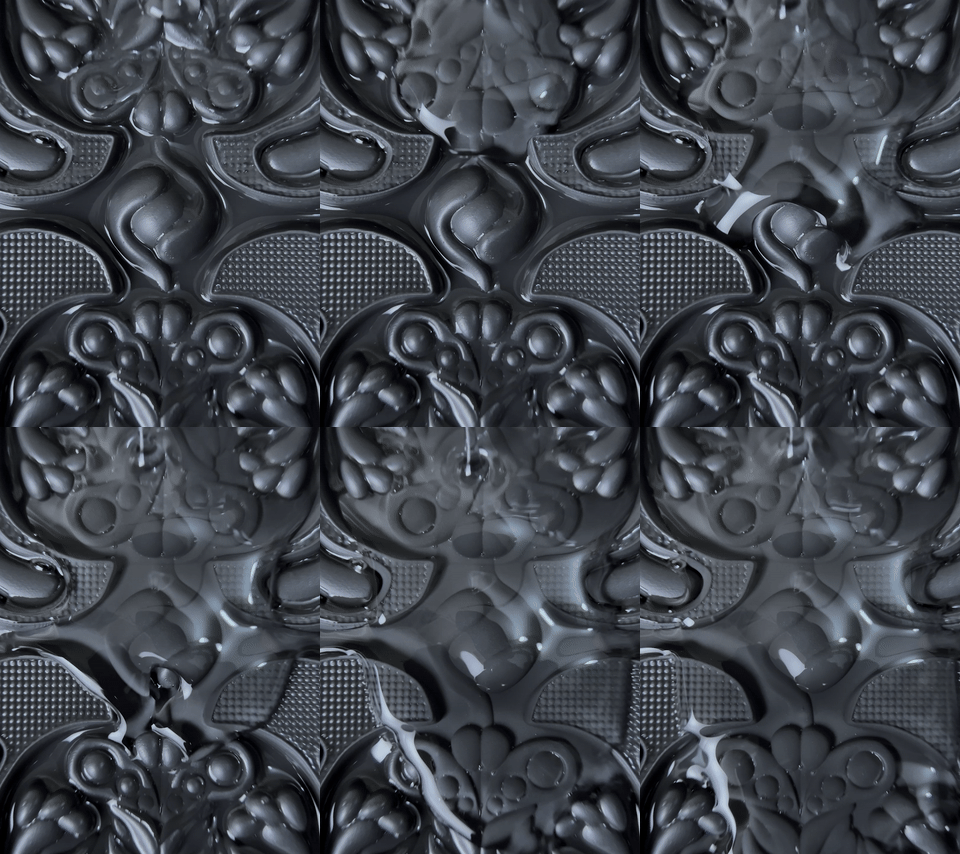
The surface of a 3D print is never singular, it exists both as a material skin and as an optical event. Under the lens, layers, gloss, and textures are not merely recorded but re-generated, producing a second “print” through light and perspective. Thus, photography does not document the surface but extends it, transforming the printed object into a site where matter and image collide, where technology continuously re-writes its own skin.
The process of my additive manufacturing practice unfolds in several key phases:
– Conceptualization: developing the artistic vision through brainstorming and reference gathering
– 3D Modeling: constructing digital forms within specialized software
– Fabrication: translating models into physical objects through the print process
– Refinement: polishing, adjusting, and enhancing the surface qualities
– Presentation: documenting the work and situating it within its final artistic context

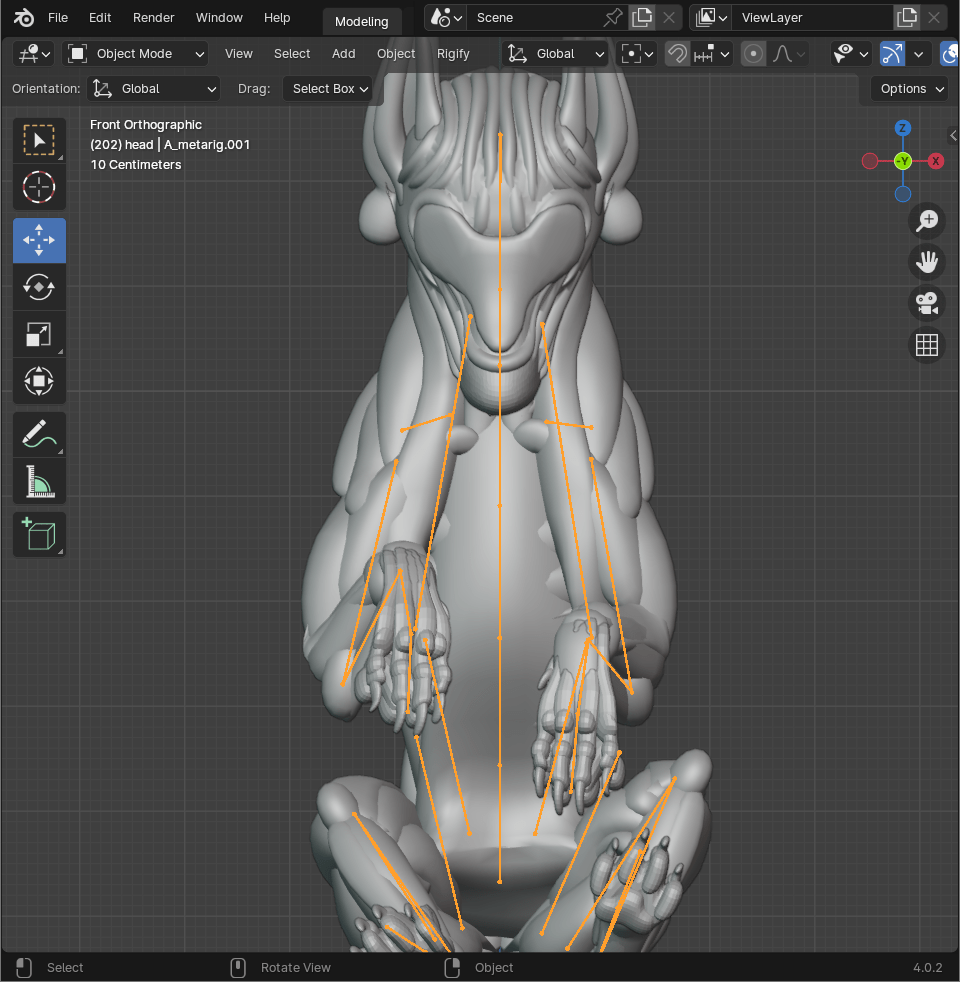
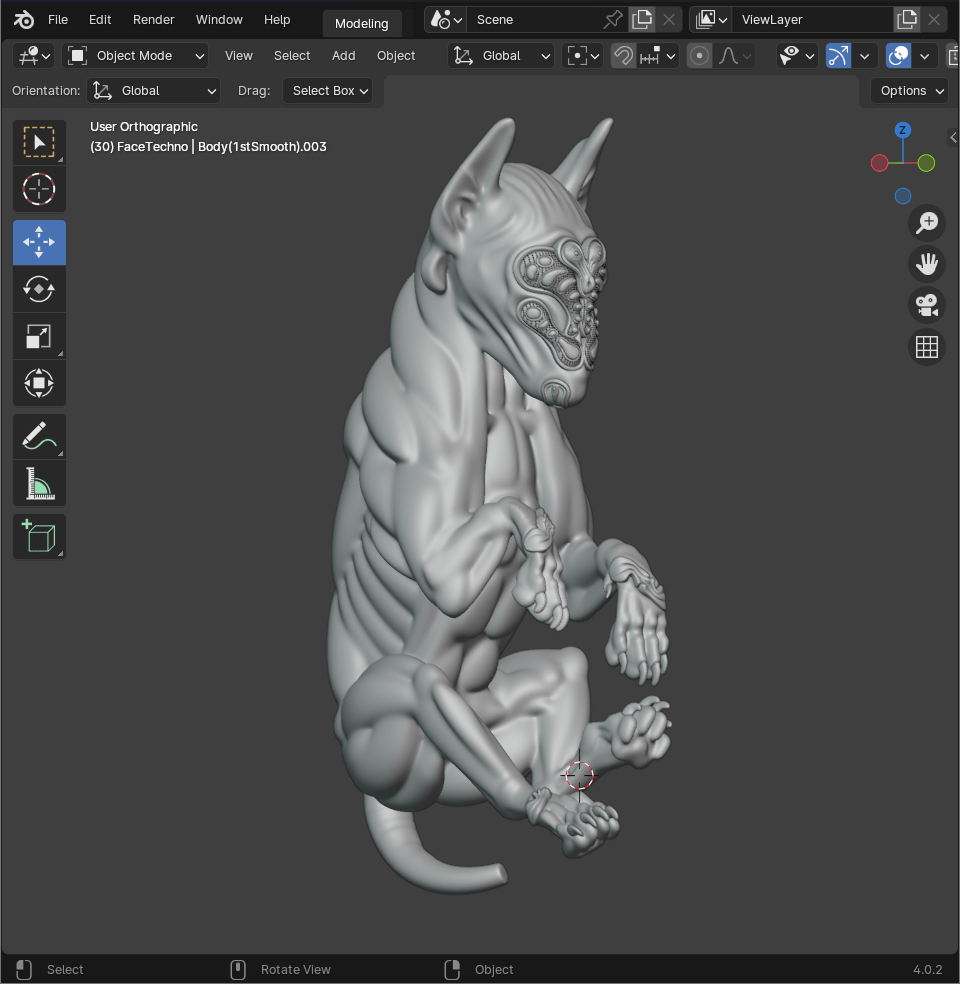
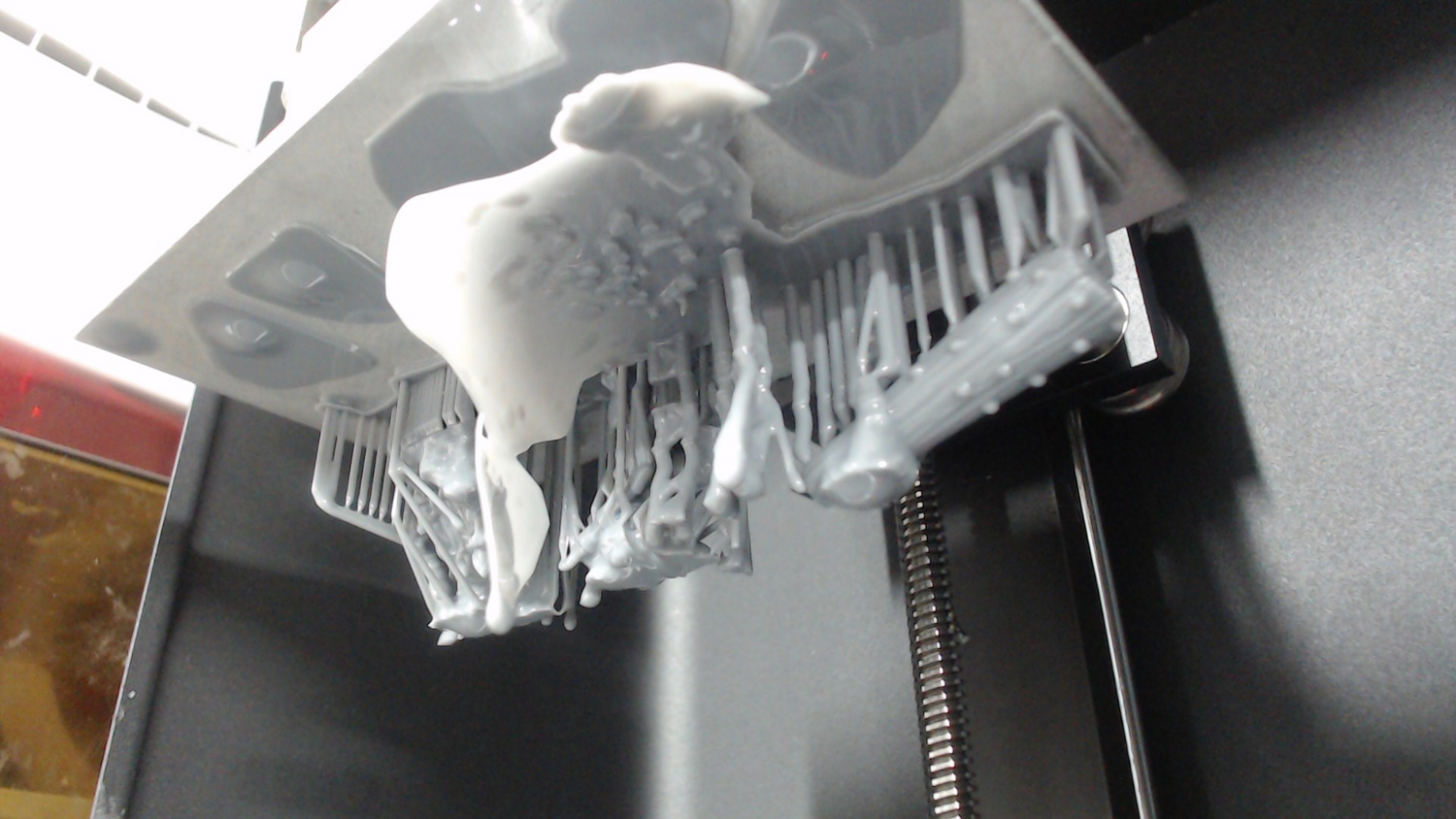
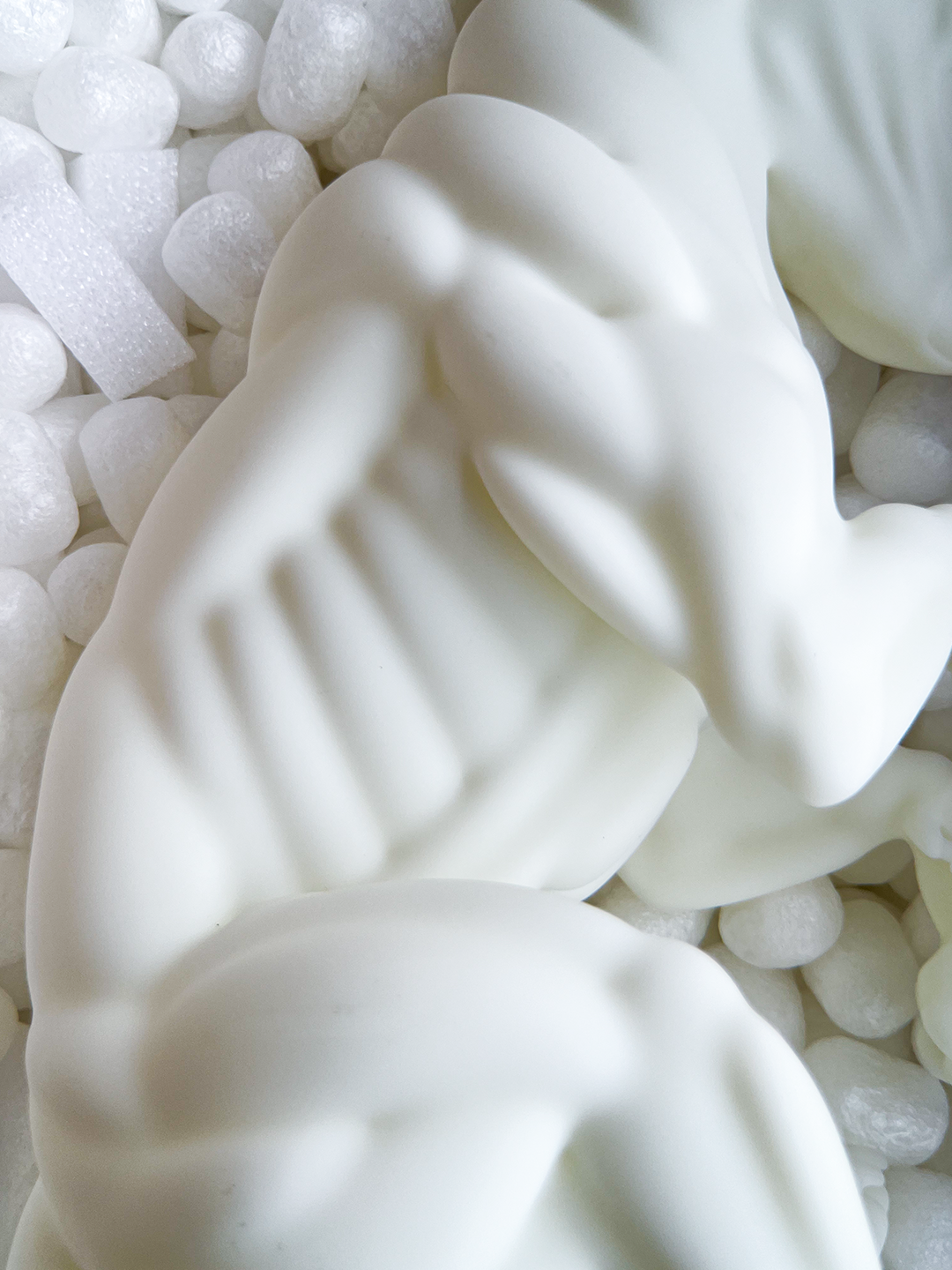
In my attempts to realize visual concepts through 3D printing, I have encountered both challenges and revelations that continue to shape my practice. Unlike working solely for digital renderings, creating a printable model demands a different kind of precision: every element must be conceived with the physical process in mind. Details that could once be disguised through perspective in virtual space now require exact alignment and structural coherence in the material world.
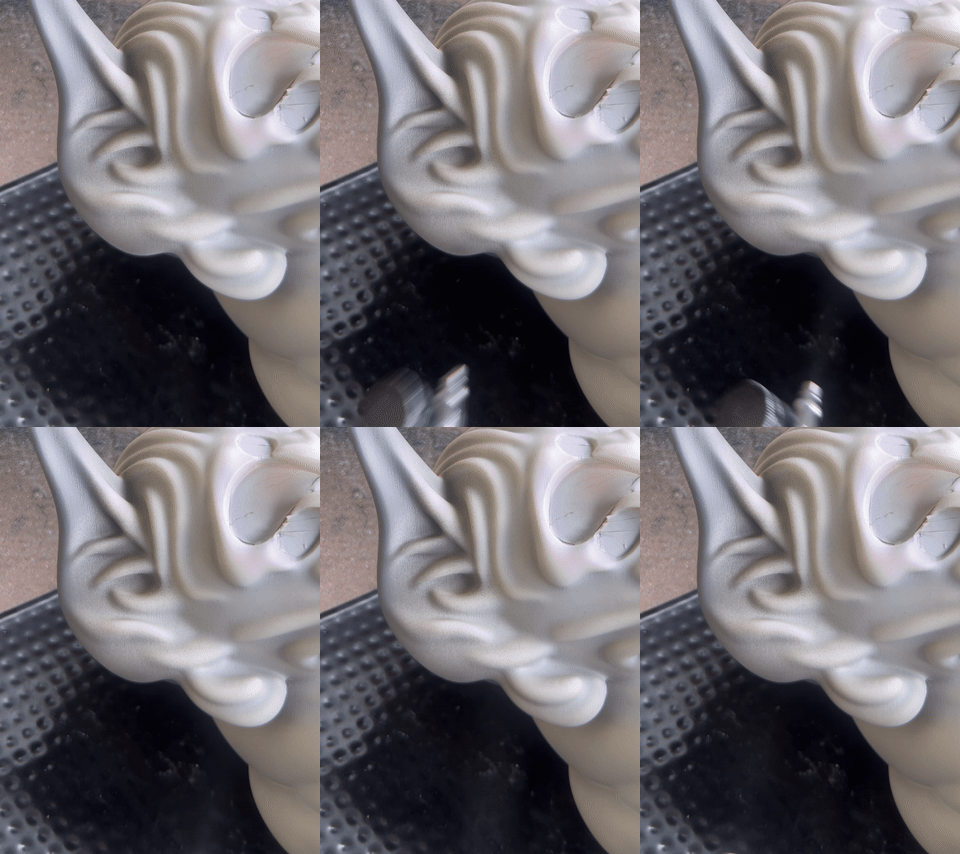
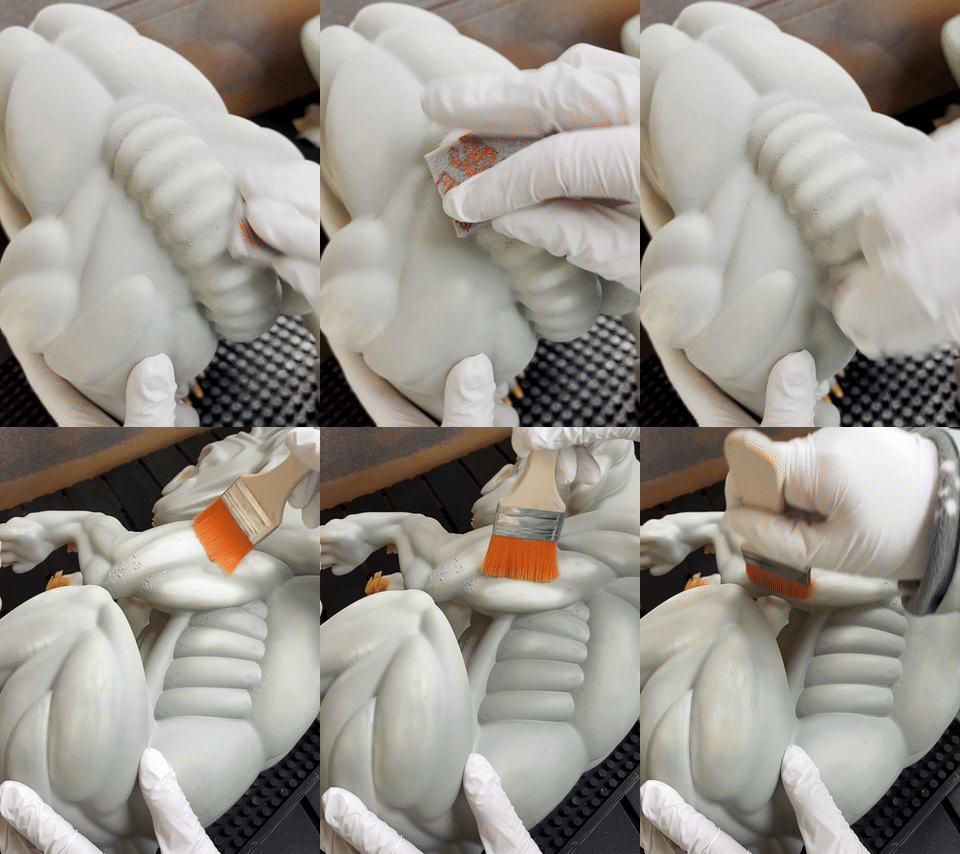

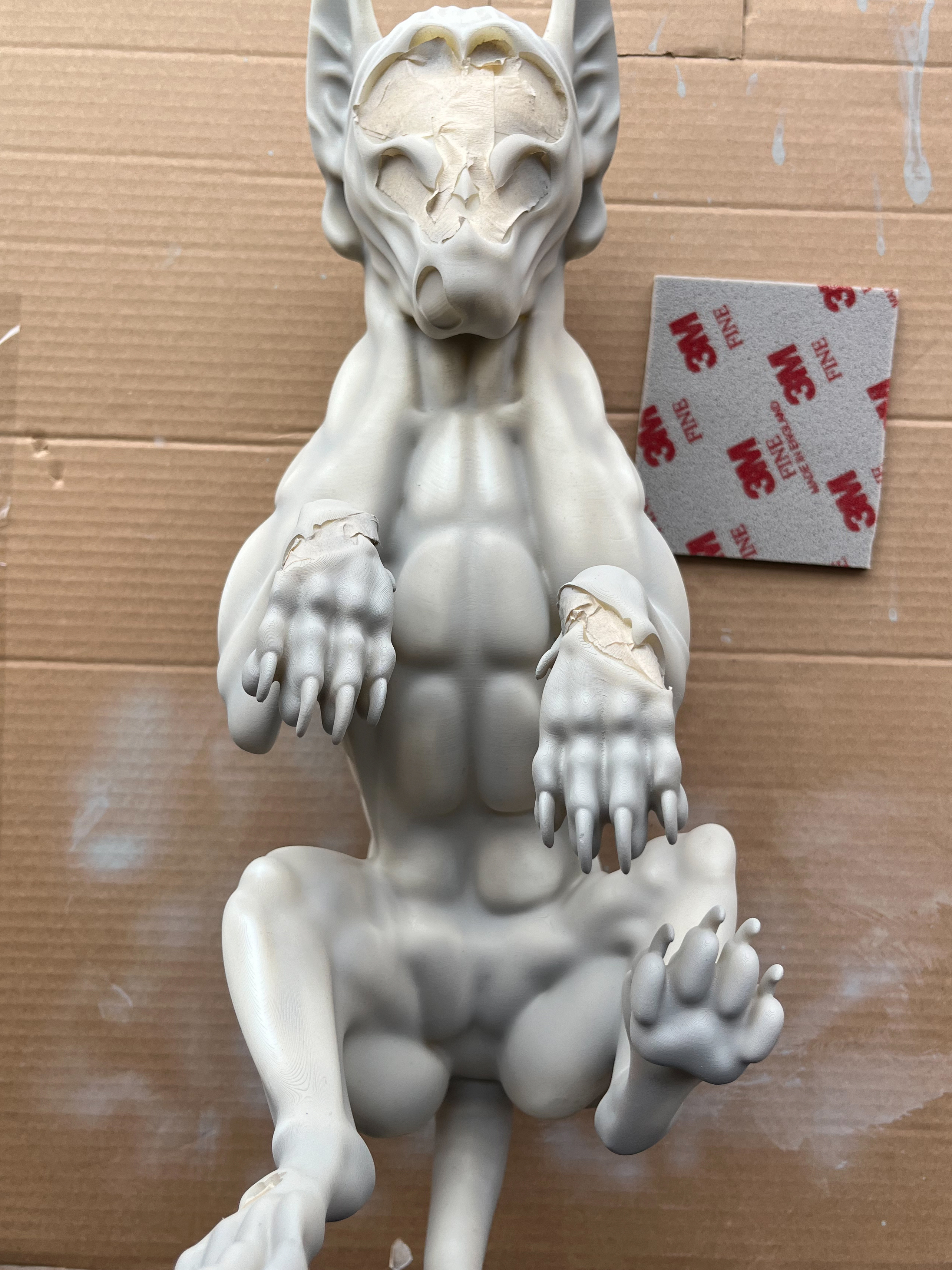
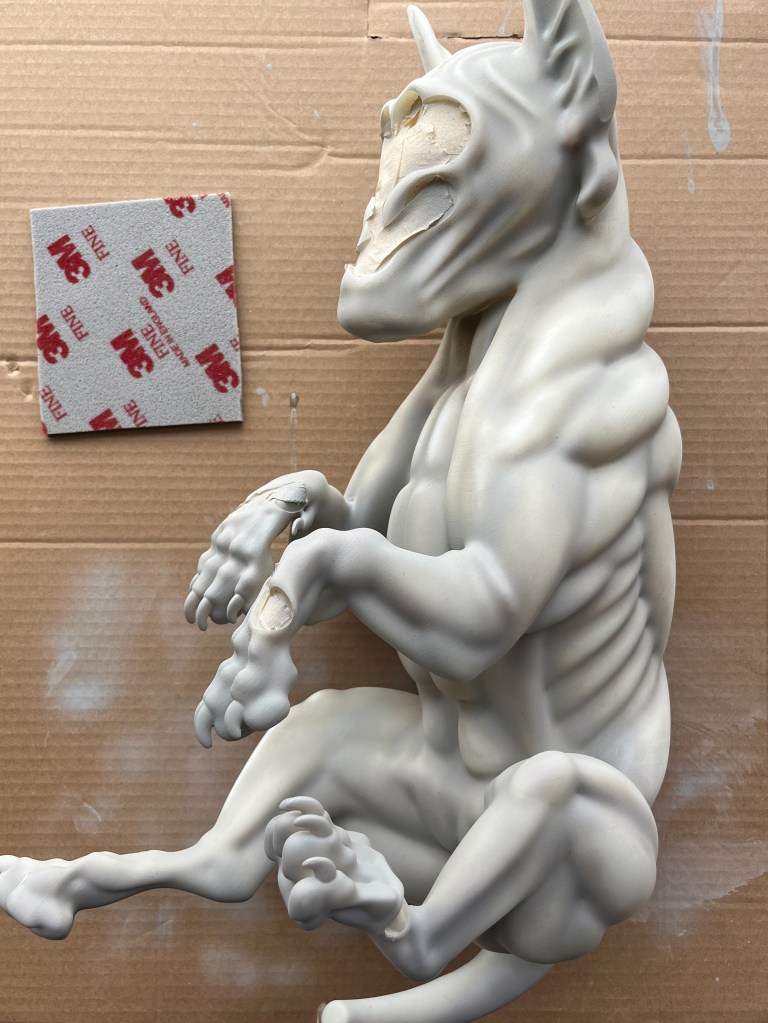
The process inevitably involves many manual interventions, expanding my practice from the confines of a desk-bound digital environment to a larger, more physical workspace. This shift opens unexpected forms of artistic productivity, where chance, tactility, and material resistance become integral to the creative process.
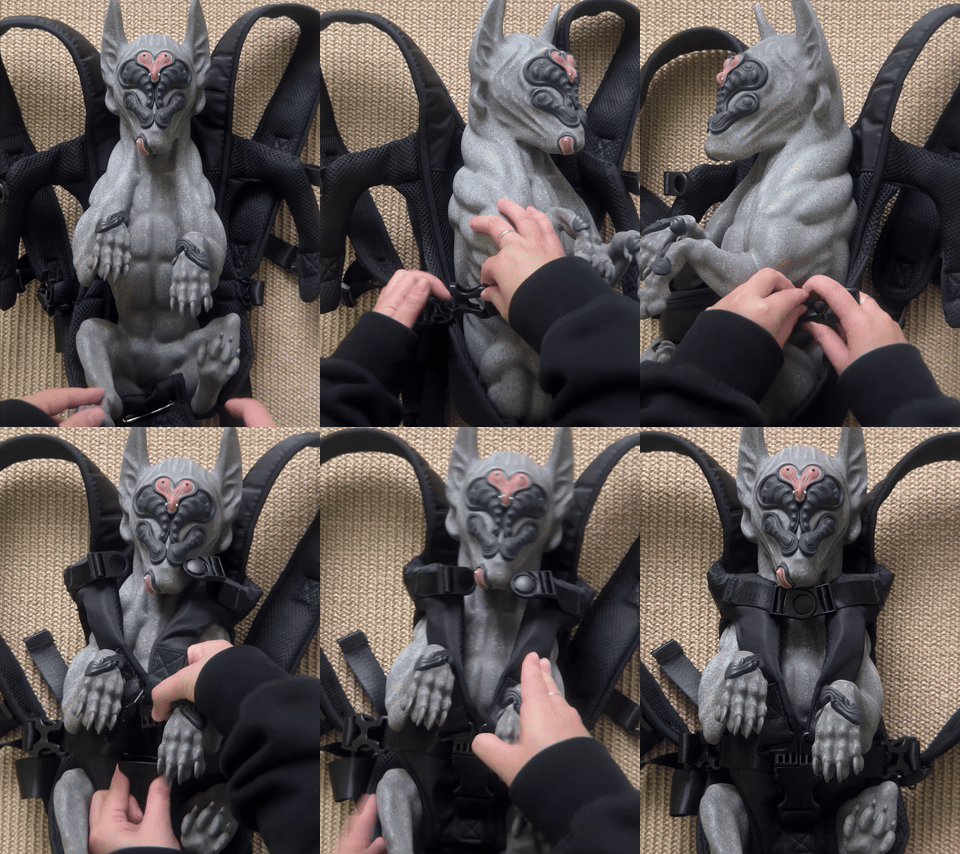
It’s an exploration of how digital and virtual visual ideas travel through space, evolving into tangible forms. Through additive manufacturing and experimental processes, these works transform ephemeral concepts into physical installations, orbiting between imagination and reality, questioning the boundary of materiality and perception.
 Wang Jingxin